
What is success - the most important question in life

Success is not happiness! That's the chorus of the famous song by the band Kontra K from 2015. But if it's not luck, then a crucial question arises: what is success? And that's exactly what this article is about. We will take a closer look at the nature of success, attempt to define it and, of course, discuss the best way to become successful. However, I would like to start with a little journey through time.
 

Success is an asshole

„Success is an asshole!“ I slammed the sentence in my reflection's face with contempt. It was New Year's Eve many years ago. I was still Managing Director at Karstadt, and, after another transfer, freshly arrived in a new city. Despite the special day, I had worked late, as I often do, and only returned to my furnished apartment at around 7pm. I felt a certain trepidation. No wonder, as it was the first time I was to spend the new year completely alone. 
 
In a city that I hadn't chosen and where I didn't know a single person. While parties were going on everywhere, corks were popping and boisterous laughter was ringing in my ears, my evening plans were different. First a pizza from the delivery service, a six-pack of beer to wash it down, then a bit of TV watching and a toast with myself at midnight. An absolute low point in my life, because never before had I felt so lonely and empty. 
 
And this was at a time when everyone around me would have described me as very successful. No wonder, because from the outside I really was something of a high-flyer who had taken the career ladder by storm and had achieved everything that others only dreamed of. There was just one huge problem: if this was actually true, why was I so frustrated inside?
 
And suddenly my negative emotions got the better of me and I was firmly convinced: Success is an asshole. Because if you had to pay such a price for success in life, then there was no way I wanted to be successful. A little later, I went to bed depressed before throwing myself back into the hamster wheel two days later. Today, I am very grateful for that New Year's Eve, because my absolute low point was also a turning point in my life. It was as if a switch had been flipped inside me. 
 

What is success? The question of all questions

I realized for the first time that my frustration had nothing to do with external circumstances, but was entirely the result of my own Decisions that I had made over the last few years - and of course the decisions that I hadn't made. It wasn't success that was the asshole, it was just me. Because I had allowed myself to be guided by a definition of success that wasn't mine. Because I hadn't had my own story for a long time and had based myself on other people's expectations. 
 
And there was only one person who could change that. That was me. So I gave myself my word that I would change. Not just a little, but radically. To stop accepting compromises and finally do my own thing. This didn't happen overnight, because I first had to find out what I really wanted. But the seeds were sown and I am still reaping the benefits today. Because I have learned three things:
 
  1. It is never the shiny, flashy and glamorous moments in our lives that shape our character. It is the low points, because these are almost always also turning points.
  2. Dissatisfaction, defeat or frustration can be extremely powerful sources of motivation if we manage to transform these powerful emotions into productivity and a corresponding „right now“ mentality.
  3. Success is an individual thing that everyone defines differently.
 
Yes, now it's time to get down to business. Because I want to talk to you about the word I wrongly called an asshole so many years ago. No other subject has ever had so many books written, lectures given and articles published about it, and entrepreneur Darren Hardy has given it a new meaning with the Success Magazine even paid a printed tribute. 
 
[cp_popup display=“inline“ style_id=“27000″ step_id = „1“][/cp_popup]
 

What does it actually mean to be successful?

I would like to start with a very personal question: Would you describe yourself as successful? Not so easy to answer, is it? Because success is actually much more complex than what is always sold to us in the media as a prototype. I mean the big bank account, the Rolex on the wrist, the stellar career, the Porsche in the garage, the yacht in the port of Monaco and, in general, a life characterized by luxury and status symbols. Take a look at any advertisement of your choice or walk through any shopping mall and you'll know what I'm talking about.
 
However, it is precisely this definition of success, which is fixated on external factors and recognition from other people, that is leading more and more people to chase after goals that are not their own. They follow the dictates of the zeitgeist, succumb to the temptations of the modern media world and, in doing so, imperceptibly but steadily move away from their own goals. Values, beliefs and dreams. And that makes you extremely unhappy in the long run. Because you unconsciously feel that you are living a life that is at odds with your own identity.
 

Success is more than faster higher further

After all, can success really only be measured by material things, external achievements and the attainment of socially conforming standards? Targets can you pin it down? Is it not a success if a single mother raises her three children, works two jobs at the same time and is still happy and content? Is it not a success if a family decides to live far away from the big city in an old farmhouse and become completely self-sufficient? And is it not a success if a successful lawyer gives up his career and lives on ten dollars a day as a diving instructor in Thailand, but has finally found peace of mind through this activity? 
 
These are just three examples from millions of others that clearly show one thing: Success always comes from the inside out, for example when we have put a plan into action, achieved a goal that is important to us or made a significant decision. Above all, however, success is always linked to our entire personal Change diamonds linked.
 
Because it is your identity, your values and your beliefs that ultimately determine what is really important to you in life. Of course, money and material things always play a certain role; all those people who try to persuade you that money is not important are not telling you the truth. However, it must not become an end in itself. Because the factors responsible for happiness, satisfaction and fulfillment usually lie on a completely different level.
 

Success definition

I would therefore like to ask you the same question that I asked my Coaching clients as well:
 
What success means for you?
 
It is helpful if you have some clarity about what is really important to you, what drives you and what gives your life meaning. This will be very useful to you in answering the question and I cannot emphasize enough how important deep reflection is for your personal future. Do I need to point out again that you absolutely must be radically honest with yourself? As always, the same applies here: You can fool the people around you for a while. But the person who looks at you in the mirror every morning can sense very clearly when appearance and reality are permanently out of sync.
 
So now „butter to the fish“, as they say in my northern German homeland, here are the facts: 
 
What is your personal definition of success? 
 
Is it a career in a global corporation? The dream of owning your own business? Or perhaps a harmonious family life in the country with five children, a large collection of pets and your own farm?
 
Please block out all thoughts of other people, other people's expectations or social conformity. It's your life and your satisfaction, and therefore also your definition of success. „Okay, Ilya, but I honestly think fast cars, lots of money and an international jet-set lifestyle are pretty sexy.“ Wonderful. If money and material things are important to you, then do everything you can to get as much of it as possible. But if it's something completely different, then please give these needs the space they deserve.
 

Success always comes from the inside out

I myself always enjoy the luxurious aspects of life. I collect beautiful (and unfortunately expensive) watches, I prefer to stay at the Ritz Carlton when I travel rather than in a flat-rate bed in an industrial estate and there is nothing I enjoy spending as much money on as good food in excellent restaurants. It fills me with gratitude every time that I have worked hard to be able to afford all these luxuries. But I don't need these comforts to be happy and I could always live without them. This awareness alone dramatically increases my personal freedom.
 
The better you know what is important to you, the better you can fill the word success with appropriate content. And this puts you in a position to organize your life, your job and your everyday life in such a way that you can be successful in all these areas. In order to provide you with the best possible support, I would like to give you my formula for success, which you can apply to every conceivable definition of success. But before that, I would like to share a mantra with you that has often served me well and can do the same for you. It reads: If it feels good, it can't be that bad! There's a lot to it, isn't there?
 

What success means: clarity, focus and diligence

Your own individual definition of success is the indispensable foundation for happiness and satisfaction in life. And in order to be successful in the long term and, in particular, simply to be successful, we now want to fill the abstract concept of success with life and transform it into concrete results with the corresponding actions. Because the bottom line is that success comes from the consistent and constant repetition of supposedly small things. And that is why my very personal formula for success is:
 
 
Success = clarity x focus x diligence 
 
Genuine and sustainable success is always the result of these three factors. It starts with a deep clarity about what is important to you. This is followed by an unconditional focus on the necessary factors. And if you then combine these two qualities with hard, motivated and, in particular, long-term work, then success will almost inevitably follow. So let's take a closer look at the individual components of the success formula.
 

What is success? Clarity as a success factor

As children, we often played cowboys and Indians. We all had our own preferences as to which role we wanted to play in our afternoon activities. However, we didn't have much choice back then, simply because we didn't have the right role models. So some of us usually played the Apache chief Winnetou, while others preferred to be Marshal Matt Dillon, the protagonist from the cool series „Smoking Guns“. 
 
These days, superheroes are a dime a dozen (my favorites are definitely Batman, Ironman and Rocket the raccoon from Guardians of the Galaxy), and when I watch my kids play, it's not so much about which role they want to take on, but a completely different question: „Which superpower would you like to have?“
 
Their eyes regularly light up at the answers that follow. Mind reading, invisibility, time travel, speed, flying or the ability to move objects using only the power of thought are just some of the things that children today wish for. How would you answer me? What would be your favorite superpower? My choice will probably surprise you, because I would choose clarity. 
 
No other quality is so crucial when it comes to leading a fulfilled and satisfied life. And clarity is also essential for our individual definition of success. Only when you know what you want, what is important to you and what really makes you happy - and of course what you don't want, what is not important to you and what makes you unhappy - can you make the necessary decisions to get it.
 
The bottom line is that your own level of clarity stands and falls with the answer to the question of what really counts in life and what exactly you expect from it. And then there is a special domino effect that fascinates me time and time again. I have been able to marvel at it myself, but also in my work with my clients. Clarity leads to more commitment in the first step, because the increased awareness of your own values and what you really want is naturally also noticeable in your own communication. 
 
You make faster, more comprehensible decisions and give people around you guidance. This increases your charisma and ultimately the impact you achieve in different areas of life.
 
Clarity => Commitment => Effect
 
But the clarity also has another, also very important side effect. The Americans like to refer to this as Skin in the Game, and the term can best be translated as commitment. Incidentally, I searched for a long time, but I couldn't think of a German word that would even come close to describing the meaning of commitment. So please forgive me for the Anglicism. But you know what I'm getting at, don't you? 
 
Because if something is really important to you, you will do everything you can to make it happen. You invest time, energy and money. You go the extra mile and persevere when you come up against headwinds or your original Motivation something wears off. No matter what you plan to do, please always make sure that you Skin in the Game that it is really important to you.
 
Your motivation is wearing off? Ask yourself: Do I have enough skin in the game?
 
I regularly observe the effects this can have at my own seminars and events (e.g. my certified coaching training). Sometimes I offer discounted tickets or even invite someone - I do this for people who are at the start of their career or are going through a difficult financial phase. However, with this group of participants, I regularly find that although people start the courses with great ambitions, they usually fail to put them into practice. 
 
This is completely different for participants who have paid the full participation fee. Here, words are usually followed by deeds. Because these people Skin in the Game have. Because they have invested a considerable amount of money in themselves and have massively raised their own standards as a result. Clarity therefore not only leads to more commitment and a high impact, but ultimately also to increased implementation competence.
 

What is success? Focus as a success factor 

Now that you have worked on your clarity, it is time to bundle your strengths and align your focus. Concentrate on what really moves you forward and not get distracted and bogged down with unimportant things. I recommend the metaphor of heaven and hell. What is behind it? It's quite simple. The exclusive focus on two areas: On the one side is heaven. 
 
By this I mean everything related to your dreams, your vision and your strategy. You could also call it working on your company or your life. To build a mnemonic bridge, you can also think of castles in the air that are so huge that there is only room very high above them. Well, and then of course there's hell. By that I mean the hard work, the doing and the concrete implementation of the strategy you developed in heaven. 
 
Please don't be confused by the negative meaning of the word hell, but I chose the term because it is the antidote to heaven. And if we're honest, focusing on the three oft-cited letters T, U and N can sometimes feel a bit like hell, can't it? That's the notorious price we have to be prepared to pay. (I then like to imagine the voice of Wolfgang Petry in my head, belting out „Hell, hell, hell“ at the top of his voice, and I'm back in a positive frame of mind. Definitely try it out!)
 
Success lies in heaven or hell. Anything in between will only distract you.
 
Whatever your specific goals and plans are, always ask yourself: am I in heaven or hell? In other words: from now on, only use your three most important resources - time, energy and money - for tasks that are directly related to these two areas - i.e. either your vision, your strategy or the development of great ideas - or for the concrete realization of your goals. Implementation of these things. 
 
Everything in between should either be delegated or left alone. Because the tasks that are between heaven and hell may keep you wonderfully busy, but the bottom line is that they are just a distraction that is not productive and does not bring you any closer to your goals. So adjust your focus. Your success will thank you for it.
 

What is success? Success factor diligence

I would like to share three of my most deeply held beliefs with you: „No pain, no gain“, „Fortune favors the hard-working“ and „In the long run, hard work always beats talent“. Because I believe in nothing more than good old hard work. „But Ilja, that's really outdated now, because in times of digital change, it's much more important to work smart, isn't it?“ I hear this objection regularly. And yet I stand by my statement. Because everyone works smart today. Me too, by the way. Because it's simply an absolute basic requirement, but by no means a distinguishing feature. And because that's the case, hard work pays off after all.
 
Work smart and hard. This rare combination automatically gives you a unique selling point.
 
This brings us to the third factor of the success formula, namely diligence. If you know what is important to you and put all your focus on these things, then it depends on how intensively and, in particular, over the long term you get involved. And not just once, but again and again. Even on days when you don't feel like it.
 
When you are struggling with a setback. When you would like to give up everything. In all these situations, diligence helps you to keep going. One of my great idols, the Terminator Arnold Schwarzenegger himself, said this in his famous „Six Rules of Success Speech“ perfectly summed up with two legendary sentences:
 
„You can't climb the ladder of success with your hands in your pocket“ and „While you are taking a nap, somebody else is working his butt off“.
 
In translation, this means „You can't climb the ladder of success with your hands in your pockets“ and „While you're taking a nap, someone else is working their butt off“. There's nothing more to add. No success without hard work. It's as simple as that.
 

Success is individual. And it always is.

These were the three factors of the success formula. Clarity. Focus. And diligence. Let these qualities become an integral part of your attitude to life and success will inevitably follow in all areas of your life. Of course, this does not mean that things will become easier from now on or that everything will happen by itself. On the contrary, you will continue to make mistakes, experience setbacks and struggle with defeats. 
 
But you will grow from these challenges and become better. And that is perhaps the greatest success of all. However, the more confidence you have in yourself, the more the whingers, know-it-alls and naysayers will come crawling out of their holes. It will therefore be crucial for your personal satisfaction that you dare to do your thing even more. 
 
Let's come to the last question of the article, dear readers: What is success for you? I look forward to your comments...

Wahrnehmung – Definition, Bedeutung und Wichtigkeit 

Wenn es um erfolgreiche Shift im Leben geht, dann gibt es einen entscheidenden, aber häufig vernachlässigten Faktor: Ich spreche von der Wahrnehmung, oftmals auch als Sinneswahrnehmung bezeichnet. Und genau diesem wichtigen Teil der Kommunikation wollen wir uns in diesem Artikel widmen. Haben Sie Lust? Dann lassen Sie uns am besten direkt loslegen.

Selektive Wahrnehmung verhindert optimale Ergebnisse

Vor kurzem kam es in einer Kleinstadt zu einem Banküberfall. Insgesamt 11 Kunden waren zu dem Zeitpunkt im Schalterraum anwesend und wurden später von der Polizei als Zeugen zum Tathergang befragt. Was glauben Sie, wie viele Aussagen es im Nachhinein von dem Überfall gab, der nicht länger als 1 Minute dauerte? Richtig, es waren genau 11 verschiedene Beschreibungen, obwohl doch alle dem gleichen Ergebnis dabei waren.
 
Die Kenntnis um diese Tatsache spielt eine große Rolle im Change management, denn je detaillierter Sie wahrnehmen und je besser Sie die damit verbundenen Prozesse steuern können, desto mehr Erfolg werden Sie haben.
 

Wahrnehmung Definition: Die 5 Sinne

Grob gesagt funktioniert das Thema Wahrnehmung wie ein großer Computer. Nachdem die entsprechenden Daten eingegeben werden, verarbeitet der Prozessor diese und spuckt am Ende den entstandenen Output aus. Und genau so ist es auch bei Ihnen, bzw. ihrem Gehirn. In jeder Sekunde ihres Lebens nehmen Sie Informationen über ihre fünf Sinneskanäle auf. Sie sehen mit ihren Augen, hören mit ihren Ohren, schmecken mit ihrer Zunge, riechen mit ihrer Nase und spüren mit ihrer Haut und manchmal auch mit dem gesamten Körper. Und es gibt nicht wenige Menschen, die von sich behaupten, dass Sie über den sechsten Sinn verfügen, den Sie möglicherweise als Intuition oder Bauchgefühl bezeichnen.
 
Jetzt ist es wichtig zu wissen, dass Sie über ihre fünf Sinneskanäle nur einen Bruchteil der Informationen bewusst verarbeiten können, die den ganzen Tag über auf Sie einwirken, nämlich ungefähr fünf bis neun Einheiten gleichzeitig (Die restlichen Infos gehen natürlich nicht verloren, sondern werden zu hunderttausenden von ihrem Unterbewusstsein aufgenommen und gespeichert).
 

Wahrnehmung einfach erklärt

Diese „Daten“ durchlaufen dann in ihrem Gehirn diverse Filter (die von ihren Überzeugungen, Values, ihrer Erziehung, ihrer Kultur oder ihrer sozialen Herkunft geprägt wurden) und werden schließlich zu so genannten internen Repräsentationen des von ihnen Erlebten transformiert. Dies sind nichts anderes als innere Bilder oder Filme, die Art und Weise, wie Sie mit sich selbst sprechen, oder die Gefühle, die sie in einer bestimmten Situation haben.
 
Können Sie mir so weit noch folgen? Sehr gut. Denn die Qualität ihrer internen Repräsentationen bestimmt wiederum ihre Handlungen und damit ihre Ergebnisse im Leben. Ganz einfach zusammengefasst lautet die Schlussfolgerung dieses Wahrnehmungsprozesses wie folgt: Der Fokus ihrer Sinnesaufmerksamkeit bestimmt die Qualität ihrer Ergebnisse im Leben.
Und diesen Fokus sollten Sie von diesem Zeitpunkt an so oft trainieren, wie es geht. Denn von Haus aus besitzt jeder Mensch einen bevorzugten Sinneskanal, den er hauptsächlich verwendet, um Informationen aufzunehmen und zu verarbeiten. Aus diesem Grund gab es auch beim besagten Banküberfall Zeugen, die sich besonders gut das Aussehen und die Kleidung des Täters merken konnten, während andere vor allem auf den Dialekt oder die Lautstärke der Stimme geachtet haben. Tja, und dann waren natürlich auch Zeugen anwesend, die kaum etwas zur Beschreibung beitragen konnten, weil Sie hauptsächlich mit ihren Gefühlen beschäftigt waren.
 

Wahrnehmung: Die verschiedenen Sinneskanäle

Wie sieht es bei ihnen aus, haben Sie schon mal darauf geachtet, welcher Typ Sie sind? Sind Sie eher visuell orientiert? Dann reden Sie wahrscheinlich eher schnell (eben weil ihr Gehirn die vielen Bilder im Kopf verarbeitet muss) und nutzen auch entsprechende Wörter und Redewendungen wie „mir geht ein Licht auf“, „ich sehe es deutlich vor mir“ oder „wenn Sie einmal schauen wollen“.
 
Wenn Sie eher ein auditiver Typ sind, dann nutzen Sie als bevorzugten Sinneskanal hauptsächlich ihre Ohren und achten auf Töne, Geräusche und Musik. In diesem Fall ist ihre Stimme höchstwahrscheinlich sehr melodiös und Sie nutzen gerne auditive Wörter und Redewendungen wie „das klingt gut“, „davon hab ich schon viel gehört“ oder „das ist wie Musik in meinen Ohren“.
 
Als kinästhetischer Mensch liegt ihr Schwerpunkt auf dem Spüren und Fühlen. Sie reden eher langsam (weil ja jede neue Information erst einmal abgeglichen werden muss, wie gut sie sich anfühlt) und benutzen Wörter und Redewendungen wie „das fühlt sich rund an“, „packen wir es an“ oder „bringen wir das Projekt jetzt auf die Schiene“.
 
Das Riechen und das Schmecken blende ich an dieser Stelle einmal aus, weil diese beiden Sinneskanäle nur von wenigen Menschen als primärer Sinneskanal genutzt werden. Aber achten Sie doch in den nächsten Unterhaltungen einmal darauf, was genau ihre Gesprächspartner sagen und zu welchem Sinneskanal die Wörter und Redewendungen passen. Denn mit ihrer Sprache beschreiben sie, was gerade in ihnen vorgeht und welche interne Repräsentation ihr Gehirn gerade für sie kreiert.
 
[cp_popup display=“inline“ style_id=“27000″ step_id = „1“][/cp_popup]
 

Wie funktioniert Wahrnehmung?

Wenn der Fokus nun aber permanent auf einem bestimmten Sinneskanal liegt, dann heißt dies nichts anderes, als dass er auf den verbleibenden vier eben in diesem Moment nicht liegt. Und damit gehen ihnen wichtige Informationen und Eindrücke verloren, die ihnen auf ihrem Weg zum Erfolg sehr nützlich sein könnten.
 
Trainieren Sie also ihre ihre Sinnesaufmerksamkeit, und damit Ihre generelle Wahrnehmung. Üben Sie so oft es geht, jeden einzelnen ihrer fünf Sinne bestmöglich zu nutzen und Dinge in ihrem Leben wahrzunehmen, die sonst an ihnen vorbeigehen würden. Und je mehr und besser Sie in der Lage sind, ihre Wahrnehmung nach oben zu schrauben, desto leichter fällt es ihnen auch, Ziele zu erreichen und ihr Verhalten in so gut wie jeder denkbaren Situation flexibel zu gestalten.
 
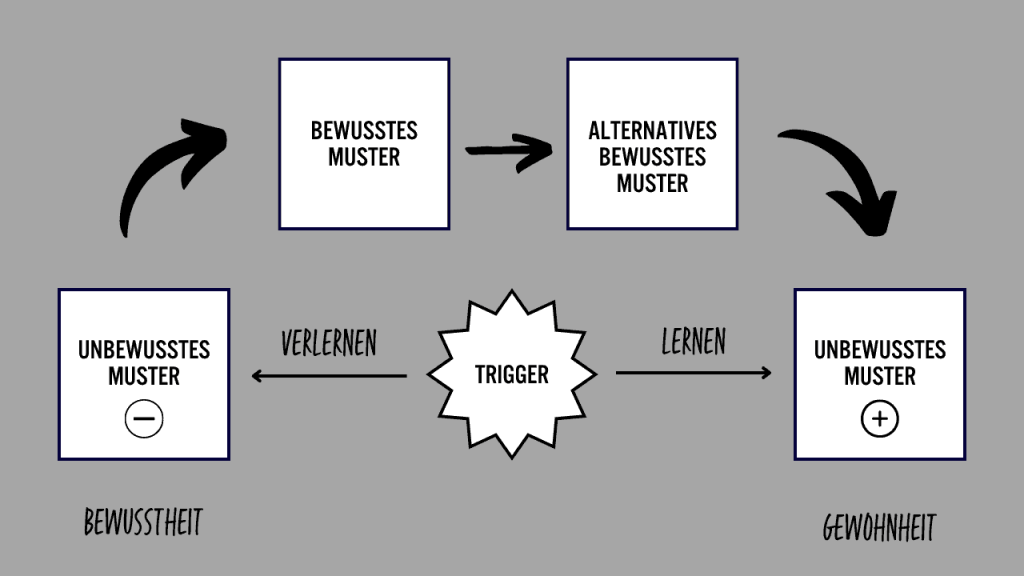
Wahrscheinlich sind Sie in ihrem bisherigen Leben eher wie auf Autopilot durch die Welt gegangen und haben sich und ihre Umgebung eher zufällig wahrgenommen. Aber sobald Sie anfangen, sich bewusst mit etwas zu beschäftigen und ganz gezielt wahrzunehmen, dann eröffnet sich ihnen eine ganz neue Welt. Dafür bedarf es nur eines regelmäßigen Trainings. Und schon bald werden Sie wieder auf Autopilot durch die Welt gehen. Diesmal jedoch mit einer messerscharfen Wahrnehmung und einem völlig neuen Lebensgefühl, welche nun wie selbstverständlich zu ihren Gewohnheiten gehören.
 

Wahrnehmung trainieren: Mit diesen Übungen klappt’s

Viele meiner Kunden berichten mir immer wieder das Gleiche, wenn sie dieses Training erfolgreich durchgeführt haben. Es kommt ihnen vor, als wären sie jahrelang mit Scheuklappen oder gar verbundenen Augen durchs Leben gegangen. Und sie fragen sich, wie sie bestimmte Dinge übersehen konnten, die auf einmal so klar und deutlich wahrzunehmen sind. Lassen Sie sich einfach mal überraschen, was da so alles passieren kann. Je bewusster Sie nämlich ihre Sinnesaufmerksamkeit einsetzen und trainieren, desto größer werden die Möglichkeiten, die ihnen das Leben anbietet.
 

Sehen: Der visuelle Sinneskanal

Achten Sie darauf, was Sie alles mit ihren Augen wahrnehmen. Sehen Sie sich so viele unterschiedliche Dinge so detailliert wie möglich an: Bilder, Fotos, Pflanzen, Gesichter, Autos, Plakate, Zeitschriften, Bekleidung oder auch so ungewöhnliche Objekte wie Spinnenweben oder Holzstämme. Es gibt so viel wahrzunehmen. Achten Sie vor allem auf die kleinen Details, die Farben, die Schärfe, den Kontrast oder die Helligkeit.
 
Nehmen Sie sich als Übungsobjekt beispielweise ein Gemälde ihres Lieblingsmalers. Sie werden feststellen, dass Sie auch nach Wochen des Anschauens noch viele neue Aspekte und Nuancen wahrnehmen werden. Oder gehen Sie mal in eines der vielen Dunkel-Restaurants, die vor allem in den Großstädten vermehrt vertreten sind. Dort sitzen Sie in völliger Finsternis, werden von blinden Kellnern bedient und müssen komplett ohne ihren visuellen Sinneskanal auskommen. Ich garantiere ihnen, dass ihre Wahrnehmung nach dieser Erfahrung eine andere sein wird.

Hören: Der auditive Sinneskanal

Gehen Sie mit offenen Ohren durchs Leben und legen Sie ihren Fokus auf Geräusche, Stimmen und Töne. Trainieren Sie ihren auditiven Kanal in den unterschiedlichsten Umgebungen: Im Rockkonzert, im nächsten Meeting, im Wald, auf der Autobahn, beim Radiosprecher, in der U-Bahn oder wenn Sie entspannt am Strand relaxen. Achten Sie dann vor allem auf die Lautstärke, die Melodie, die Klangfarbe, das Echo, den Rhythmus oder die Geschwindigkeit.

Fühlen und Spüren: Der kinästhetische Sinneskanal

Beginnen Sie, unterschiedliche Dinge anzufassen und in jeder Situation darauf zu achten, was Sie fühlen. Denken Sie immer daran, dass die im limbischen System des Gehirns beheimateten Emotionen ihre Entscheidungen und damit ihr Verhalten bestimmen. Nehmen Sie die ganz feinen Nuancen wahr, wenn Sie das nächste mal etwas spüren oder fühlen. Achten Sie auf die Bewegung, die Form, die Farbe, den Druck, die Temperatur und vor allem auf die Intensität ihrer Gefühle (Und wenn Sie bisher noch nicht wussten, dass Gefühle diese Qualitäten haben, dann wird es höchste Zeit).
 
 
Üben Sie ihre Wahrnehmung so oft Sie können. Schaffen Sie sich Gelegenheiten, in denen Sie ausschließlich einen bestimmten Sinneskanal trainieren. Und vergessen Sie bitte auch das riechen und schmecken nicht. Laden Sie doch ihren Partner einmal wieder schick zum Essen ein und lassen sich überraschen, wie groß die Vielfalt eines guten Weins oder einer einfachen Suppe doch sein kann.
 
Und je öfter und regelmäßiger Sie ihre Sinneswahrnehmung trainieren, desto bunter, schöner und facettenreicher wird ihr Leben werden. Bis ihre scharfe Wahrnehmung eines Tages eine Gewohnheit geworden ist, mit der Sie leichter und vor allem besser Richtung Erfolg gehen werden.
 

Wahrnehmung Psychologie: Der Semmelweis-Reflex

Die Welt ist voller Wunder. Da draußen warten so viele Chancen und Möglichkeiten auf Sie, doch die meisten Menschen gehen an ihnen vorbei, weil ihre Wahrnehmung nicht scharf genug ist. Das lässt mich oft an den weisen Satz meiner Großmutter denken: „Ob jemand nicht lesen kann oder nicht lesen will, führt letztendlich zum gleichen Ergebnis“. 
 
In der Mitte des 19. Jahrhunderts lebte in Budapest ein Arzt namens Ignatz Phillip Semmelweis. Er wollte sich nicht damit zufrieden geben, dass so viele Mütter an den Folgen des Kindbettfiebers starben und setzte seine ganze Kraft dafür ein, herauszufinden, wie man diesem Problem Einhalt gebieten könnte. Schon bald kam er auf die Lösung, denn er fand heraus, dass es an der mangelnden Hygiene der Ärzte und des Krankenhauspersonals lag, die ihre Bakterien durch die offenen Wunden an ihre Patientinnen übertrugen. Semmelweis schlug also vor, die Hygienestandards drastisch zu erhöhen und forderte Ärzte und Schwestern auf, sich regelmäßig die Hände zu waschen.
 
Im Jahr 1847 veröffentlichte Semmelweis diese Erkenntnisse im Rahmen einer wissenschaftlichen Studie, die auf der Untersuchung vieler Einzelfälle basierte und heute als erster Fall evidenzbasierter Medizin in Österreich gilt. Diese Ehre wurde ihm jedoch erst nach seinem Tode zuteil, denn zu seinen Lebzeiten wurden die Ergebnisse der Semmelweis-Studie von seinen Kollegen und der Fachwelt als „spekulativer Unfug“ abgetan. Warum sollte man sich denn bitteschön die Hände waschen? Diese sahen schließlich sauber aus und auch von den vielzitierten Bakterien war keine Spur zu sehen. Die Ärzte vertrauten nur dem, was Sie mit ihren Augen sahen. Doch ihre Wahrnehmung war eingeschränkt und spielte ihnen einen Streich.
 
Erst als man durch die Erfindung des Mikroskops die Bakterien auch tatsächlich sehen konnte, kam es zu einem Wechsel im Umgang mit der Hygiene. Die Ärzte glaubten nun auch, dass es so etwas wie Bakterien gab und verhielten sich entsprechend. Für unser Thema bedeutet dies: Nur, weil Sie etwas nicht wahrnehmen, heißt dies nicht, dass es nicht existiert. Schärfen Sie ihre Aufmerksamkeit und ihre Wahlmöglichkeiten werden dramatisch ansteigen.
 

Wahrnehmung fördern: Gehen Sie bewusst durchs Leben

Anfang des 20. Jahrhunderts lebte ein Farmer im Bundesstaat Tennessee. Nachdem er dort über 30 Jahre in dem alten Haus seiner Eltern wohnte, beschloss er eines Tages, für sich und seine Frau ein neues und modernes Heim zu bauen, in dem sie ihren Lebensabend verbringen wollten. Also ließ er die Bagger anrollen, um im ersten Schritt sein altes Haus abzureißen. Als der Baggerführer die Schaufel in den Boden rammte, um das Fundament für das neue Heim auszuheben, schoss auf einmal eine riesige schwarze Fontäne in die Höhe.
 
Ohne dass der Farmer es wusste, hatte er mit seiner Familie auf einer gigantischen Ölquelle gelebt, die nun Richtung Himmel sprudelte und sein gesamtes Leben veränderte. Die lokale Zeitung schrieb damals, dass der Farmer durch das Öl an diesem Tag zum Millionär wurde. Doch wenn Sie es sich recht überlegen, dann war er ja eigentlich schon seit 30 Jahren Millionär, denn die Ölquelle befand sich schon immer dort. Allerdings bekam sie ihren Wert erst, als sie aus den tiefen der Erde an die Oberfläche kam und auf dem Ölmarkt zu Geld gemacht wurde.
 
Was hat dies nun mit ihnen und ihrer Wahrnehmung zu tun? Ich will es ihnen sagen:  Auch in ihnen schlummert eine riesige Ölquelle und wartet nur darauf, wahrgenommen und an die Oberfläche gefördert zu werden. Und der Schlüssel hierzu ist eine scharfe Wahrnehmung und eine regelmäßige Überprüfung der wichtigsten „Schätze“ in ihrem Leben. Machen Sie es bitte nicht so, wie die meisten ihrer Mitmenschen, indem Sie sich nur auf ihre Schwächen fokussieren, sondern erkennen Sie ihre Talente und zahlreichen Stärken. 
 
Wenn Sie noch ein wenig Zweifel haben, welche riesige Ölquelle in ihnen schlummert, dann halten Sie sich am besten an die weise Beobachtung von Albert Einstein, der vor vielen Jahren feststellte, dass wirklich in jedem Menschen ein Genie schlummert. Aber wenn Sie einen Fisch danach beurteilen, wie gut er auf einen Baum klettern kann, dann werden Sie ihr Leben lang glauben, dass Sie nicht gut genug sind und den Erfolg nicht verdient haben. Lassen Sie dies nicht zu, sondern lernen Sie ihre großartigen Potenziale zu erkennen und vor allem zu nutzen.
 
Ich empfehle  Ihnen daher, regelmäßig einen sorgfältigen Wahrnehmungs-Check durchzuführen und die zehn wichtigsten Punkte zu überprüfen, die Sie beachten sollten, wenn Sie beruflichen oder privaten Erfolg haben wollen. Und die wollen wir uns nun einmal gemeinsam anschauen. Einverstanden?
 

Der regelmäßige Wahrnehmungs-Check für ihren Erfolg

 
Überprüfen Sie regelmäßig und gründlich folgende Punkte…
 

1. Wahrnehmung überprüfen: Ziele

Nehmen Sie sich zu festen Terminen Zeit für sich und überprüfen Sie, wo Sie stehen. Denn nur, wenn Sie genau wissen, wo Sie sich befinden, können Sie sich auf den Weg zu ihren Zielen machen und diese auch erreichen. Nehmen Sie sich jeden einzelnen Lebensbereich vor und stellen Sie sich folgende Frage: „Wie zufrieden bin ich im Bereich Job/Beziehung/Gesundheit/Finanzen/Fitness/etc. auf einer Skala von 1 bis 10 (wobei 1 „total unzufrieden“ und 10 „besser geht´s nicht“ ist)?“ Überprüfen Sie dann, wie es um ihre Ziele steht.
 
Die wichtigste Frage ist dabei, ob ihr Ziel überhaupt noch ihr Ziel ist. Es kann nämlich durchaus vorkommen, dass ein ehemals wichtiges Ziel an Bedeutung verloren hat, während andere in den Vordergrund getreten sind. Prüfen Sie für ihre aktuellen Ziele auf jeden Fall, ob Sie sich auf das Ziel zu- oder davon wegbewegen. Je flexibler Sie dann sind, desto besser und effektiver können Sie reagieren. Und wenn Sie richtig tief in das Thema Ziele einsteigen wollen, dann empfehle ich Ihnen diesen Artikel.
 

2. Wahrnehmung überprüfen: Fokus

Sie können es drehen und wenden, wie Sie wollen, es läuft immer wieder darauf hinaus, dass es entscheidend ist, worauf Sie ihren Fokus lenken. Denn genau dorthin wird ihre Energie fließen und Sie werden mehr davon bekommen. Ihr Fokus bestimmt wie nichts anderes ihre Attitude. Achten Sie also so häufig wie möglich, worauf Sie ihre Gedanken, ihre Sprache und ihre Energie fokussieren. Damit Sie positiv durchs Leben gehen, sich viele Chancen und Möglichkeiten kreieren und dadurch Erfolg und Zufriedenheit in ihr Leben ziehen.
 

3. Wahrnehmung überprüfen: Selbstbild

Dies ist vielleicht der wichtigste Punkt ihres regelmäßigen Wahrnehmungschecks. Merken Sie sich bitte folgenden Satz, denn er hat entscheidende Auswirkungen auf ihre Ergebnisse:
 
„Sie können nicht dauerhaft Erfolg haben, wenn ihre verbale und nonverbale Kommunikation nicht mit dem Bild übereinstimmt, das Sie von sich selbst haben.“
 
Wenn Sie andere begeistern und überzeugen wollen, müssen Sie zu allererst selbst begeistert und überzeugt sein. Von ihren Produkten und ihrer Dienstleistung. Vor allem aber von sich selbst. Sie müssen jederzeit an sich glauben und sich akzeptieren wie Sie sind. Ihre Stärken ausbauen und ihre Schwächen zu Stärken machen.
 
Denken Sie dran, Sie leben auf einer riesigen und nie versiegenden Ölquelle, die nur darauf wartet, an die Oberfläche befördert zu werden. Doch nicht immer werden die unter der Erde schlummernden Ressourcen mit nur einem einzigen Spatenstich befreit. Oft ist es eher wie in einer Goldmine. Sie müssen mit Hacke und Schaufel bewaffnet erst eine Menge Geröll und Gestein beiseite räumen. Dann sieben Sie in mühevoller Arbeit den feinen Sand aus, bis ganz zum Schluss ein wundervoll glänzender und wertvoller Nugget übrigbleibt. 
 
Viele Goldgräber haben den Fehler gemacht, sich nur auf die Arbeit, die vielen Steine und den Sand zu konzentrieren. Doch die wirklich erfolgreichen sahen in diesem Berg von Gestein einzig und allein die vielen verborgenen Nuggets und legten ihren Fokus darauf, Wege zu finden, diese zu schürfen. Überprüfen Sie also regelmäßig ihr Selbstbild, denn auf Dauer werden Sie nur Erfolg haben, wenn dieses kongruent zu ihren Überzeugungen, Werten und Verhaltensweisen passt.
 

4. Wahrnehmung überprüfen: Freunde und Umfeld

Nehmen Sie die Menschen in ihrem Umfeld genau wahr. Wie reagieren diese auf ihre Ziele und Träume? Werden Sie von ihnen unterstützt, egal wie verrückt ihre Ideen manchmal auch sein mögen oder sind Sie eher von Nörglern, Miesmachern und Besserwissern umgeben, die ihnen einreden wollen, dass Sie es nicht schaffen werden und dass Sie ihr Ziel auf keinen Fall erreichen können? Lassen Sie sich niemals von anderen Menschen einreden, dass Sie etwas nicht schaffen können!
 
Auf Dauer werden Sie wie die Menschen, mit denen Sie sich umgeben. Sie adaptieren ihre Werte, ihre Überzeugungen, ihre Verhaltensweisen, ihre Sprache und vor allem ihr Mindset.Suchen Sie sich daher vor allem Freunde und Mentoren, die Sie bei ihren Vorhaben unterstützen und am besten schon das geschafft haben, wo Sie noch hinwollen. Dann werden Sie nach oben gezogen und können sich von diesen Menschen inspirieren und motivieren lassen.
 
Trennen Sie sich gleichzeitig von allen Menschen in ihrem Umfeld, die ihnen nicht guttun und ihre Energie hauptsächlich dazu verwenden, Sie zu kritisieren und Sie runterzuziehen. Diese sind oftmals sogar gar nicht böswillig negativ, sondern haben meist ein sehr geringes Selbstbewusstsein und haben unbewusst Angst, dass Sie erfolgreicher als sie selber werden könnten. Sie werden wie die Menschen, mit denen Sie sich umgeben. Wählen Sie ihr Umfeld also Weise.
 

5. Wahrnehmung überprüfen: Sprache

Sprache ist die Kleidung der Gedanken. Wählen Sie ihre Wörter und Formulierungen also bitte genau so sorgfältig wie ihr tägliches Outfit. Die Art und Weise wie Sie reden (mit anderen, vor allem aber mit sich selbst) hat große Auswirkungen auf ihr Selbstbild und damit auf ihre Verhaltensweisen und ihren langfristigen Erfolg.
 
Die Eskimos haben beispielsweise über 20 verschiedene Wörter für Schnee. So sind sie bei jedem Wetter flexibel in der Lage, zu überleben und einen maximalen Jagderfolg zu erzielen. In indianischen Reservaten haben Wissenschaftler herausgefunden, dass es keinen einzigen Fall von Stottern gab. Kein Wunder, denn es gibt kein indianisches Wort für Stottern.
 
Und wussten Sie, dass der IQ eines Menschen automatisch ansteigt, wenn dieser seinen Wortschatz signifikant erhöht? Mit ihrer Sprache drücken Sie so vieles aus, was Sie gar nicht gesagt haben. In ihrer Sprache spiegeln sich ihr Fokus, ihre Überzeugungen, ihre Werte und ihre Motivation wieder. Und wie wir vor einigen Absätzen gelernt haben, ist ihre Sprache auch ein direkter Spiegel der Prozesse, die gerade in ihrem Gehirn ablaufen.
 
Achten Sie daher so oft wie möglich auf ihre Sprache, vor allem aber auf ihren inneren Dialog. Darauf, was Sie zu sich selbst sagen und wie genau Sie es tun. Loben Sie sich viel und motivieren sich zu Höchstleistungen, oder sind Sie ein permanenter Kritiker, der sich selbst kleinredet und Gründe sucht, warum etwas nicht geht? Reden Sie mit einer angenehmen Stimme mit sich selbst, oder ist es eher eine krächzende und unangenehme Tonalität? Ist es überhaupt ihre eigene Stimme oder die ihrer Mutter oder ihres Vaters? Nehmen Sie alles so detailliert wie möglich wahr und dann ändern Sie es so lange, bis ihr innerer Dialog ihr bester Freund und Motivator ist.
 

6. Wahrnehmung überprüfen: Stärken und Erfolge

Richten Sie ihren Fokus regelmäßig auf ihre Stärken und Erfolge. Nehmen Sie sich nach dem Aufstehen und vor dem Einschlafen jeweils 5 Minuten Zeit (gerne natürlich auch öfter und länger), um darüber nachzudenken, was Sie am Tag besonders gut machen wollen, bzw. was Sie alles erreicht haben. Machen Sie diese Erfolgsfokussierung zu einer Gewohnheit, die ganz nebenbei ihr Selbstbild dramatisch erhöhen wird. Führen Sie ein Erfolgstagebuch und schreiben Sie einmal penibel über 12 Monate auf, was Sie alles an Erfolgen erzielen. Sie werden erstaunt sein, was da alles zusammenkommt.
 
Nehmen Sie sich ein Blatt Papier und notieren Sie sich ihre 10 größten Stärken. Dann schauen Sie sich selbst in die Augen, bringen sich in einen guten Zustand und dann sagen Sie voller Inbrunst und Leidenschaft: „Ich, Jutta Meier (hier bitte ihren eigenen Namen einsetzen), bin ein wertvoller und zielorientierter Mensch, der jeden Erfolg im Leben verdient hat. Meine großen Stärken sind….(jetzt setzen Sie bitte ihre eigenen Stärken von ihrer Liste ein). Machen Sie diese Übung regelmäßig und ihre Erfolge werden durch die Decke schießen. Darauf haben Sie mein Wort.
 

7. Wahrnehmung überprüfen: Die vielen Kleinen Dinge im Leben

Nehmen Sie nicht nur die großen Brocken und die Meilensteine im Leben wahr. Das große Glück liegt oft vor allem in den kleinen Dingen. Das Lächeln der Kassiererin im Supermarkt, das Kartenspiel mit ihrer besten Freundin, das Blühen eines Baumes, der Ausflug mit ihren Kindern, der Kinoabend mit ihrem Partner, es gibt so viele schöne Dinge im Leben, die Sie möglicherweise gar nicht mehr wertschätzen, weil Sie zu normal geworden sind. Schaffen Sie sich so viele dieser kleinen Glücksmomente wie möglich und genießen Sie ihr Leben mit Herz und Verstand, vor allem aber mit Leidenschaft.
 

8. Wahrnehmung überprüfen: Motivation 

Motivation lässt Sie loslaufen und Gewohnheiten führen Sie ans Ziel. Aber was ist es genau, das Sie auch heute wieder aufstehen lässt, um Träume zu leben? Was genau werden Sie sein, tun oder haben, wenn Sie ihre Ziele erreicht haben? Erinnern Sie sich immer wieder, dass es auf keinen Fall Geld ist. Keine Frage, Geld ist wichtig, aber es ist niemals ihr Hauptziel. 
 
Denn Geld kann ihnen zwar ein schickes Haus kaufen, aber niemals ein Zuhause. Geld kann ihnen Gesellschaft kaufen, aber niemals die Liebe eines besonderen Menschen. Geld kann ihnen ein tolles Auto kaufen, aber niemals die wundervollen Erlebnisse einer unvergesslichen Reise. Überprüfen Sie also regelmäßig ihr „warum“ und stellen Sie sich so bildlich wie möglich vor, wie Sie ihr damit verbundenes Ziel erreicht haben.
 

9. Wahrnehmung überprüfen: Zustände

Je besser ihre Zustände, desto höher die Qualität ihrer Entscheidungen und Ergebnisse. Legen Sie ein besonderes Augenmerk auf ihre Physiologie und achten Sie besonders vor wichtigen Gesprächen und Situationen darauf, in einem Peak State zu sein. Schaffen Sie sich Gewohnheiten, die dafür sorgen, dass Sie körperlich jederzeit in der Lage sind, ihren besten Gedanken und Ideen ein optimales Zuhause zu bieten.
 
Tun Sie etwas für sich und ihren Körper. Treiben Sie Sport, stemmen Sie Gewichte, gehen Sie spazieren, besuchen Sie eine Sauna oder relaxen Sie im Spa. Wofür Sie sich auch immer entscheiden, wichtig ist nur, dass Sie aktiv werden, damit es ihnen leicht fällt, in gute Zustände zu kommen. Und je besser Sie ihren aktuellen Zustand wahrnehmen, desto schneller können Sie gegensteuern.
 

10. Wahrnehmung überprüfen: Verantwortung

Ja, mit dem wichtigsten komme ich natürlich zum Schluss. Überprüfen Sie am besten täglich, ob Sie noch zu 100% die Verantwortung für ihr Leben haben. Wenn es da auch nur den geringsten Zweifel gibt, dann treten Sie sich am besten sofort in den Allerwertesten. Denken Sie immer daran, wenn Sie es nicht tun, dann tut es niemand. Haben Sie die höchsten Ansprüche an sich und fordern Sie sich möglichst oft (Vergessen Sie bitte nicht, sich auch zu loben!). Übernehmen Sie die Verantwortung für ihre Attitude. Ihre Erfolge werden es ihnen danken.
 

Wahrnehmung als Schlüssel für erfolgreiche Veränderungen im Leben

Wenn Sie diesen Wahrnehmungs-Check regelmäßig durchführen, dann haben Sie einen permanenten Abgleich zwischen Soll und Ist. Dabei werden Sie bald feststellen, wie schnell ihre Wahrnehmung schärfer und detaillierter wird. Sie werden Dinge wahrnehmen, die Sie vor kurzem kaum beachtet hätten. Sie werden Dinge mitbekommen, an denen andere Menschen achtlos vorbeigehen. Vor allem aber werden Sie viel mehr Chancen und Möglichkeiten sehen, die es zu ergreifen und umzusetzen gilt.
 
Je schärfer ihre Wahrnehmung ist, desto besser sind Sie in der Lage, mitzukriegen, wie Sie auf sich und andere wirken und welche Ergebnisse Sie dadurch erzielen. Dadurch können Sie jederzeit das Heft des Handelns in der Hand halten und auch mal gegensteuern, wenn es notwendig ist. Investieren Sie viel Zeit in das Training dieser besonderen Fähigkeit. Es lohnt sich. Garantiert.
 

Setting (and achieving) goals with the SEKSI formula

Setting goals: Myth or important success factor?

There are countless books, lectures, seminars and especially methods on the subject of “setting goals”, the best known of which is certainly the SMART formula. However, when it comes to evaluating goals, there is again disagreement. While some say “If you don't have goals, you're aiming to be unhappy”, others consider setting goals to be important, but take a less dogmatic approach and claim that the journey is the actual goal. But where does the truth lie? In this article, we want to address precisely this question.
 

Goals as a beacon in life

„May I have a word with you?“ A friendly gentleman asked me this question on the sidelines of a book signing I recently held in southern Germany. „Gladly,“ I replied, „what can I do for you?“ What happened next is something I experience almost every day. Within three minutes, he told me in condensed form that things in his life were not going as he had imagined at the moment. He was particularly frustrated by his relationship with his wife, with whom he was in the process of divorcing, and he was getting more and more involved in his bad feelings.
 
At some point, he was just going round in circles, so I interrupted him: „I understand that your relationship with your wife is making you very unhappy at the moment. What exactly can I do for you?“ And then he told me the whole story again from the beginning, but with even more details. I interrupted him again and asked what exactly he expected from our conversation.
 
„Well,“ he said, „there must be some technique to stop me getting so frustrated.“ „There is,“ I replied, „what do you want to achieve with this technique?“ And the whole game started all over again. With every lap the friendly gentleman took, he focused more on his problem and hoped to get some advice from me.

Setting goals provides orientation and clarity

However, his real problem at that moment was somewhere else entirely. He didn't know what he wanted at all. He refused to set goals, hadn't even asked himself what should take the place of frustration and how he envisioned his future relationship with his wife. You may be familiar with this too. You know exactly what you no longer want. But you can't say for sure what you want to achieve instead.
 
But how do you want to change successfully if you don't know what the results of your plans should look like? In the course of this article, we will therefore address the important topic of „setting goals“. But don't worry, I won't torture you with the same old (and unfortunately ineffective) goal formulas, nor will we drift off into theory. My personal goal is simple: I want you to be able to live the life you dream of. So let's get started. Are you ready?

Setting goals starts with an analysis of the status quo

Then all I need from you now is a ruthlessly honest answer to the following question: „How happy are you at the moment in the following areas on a scale of 1 to 10?“, where 1 stands for „not at all“ and 10 for „not to be outdone“.
 
  • Profession
  • Family
  • Relationship/partnership
  • Personal development
  • Health
  • Finances
  • Spirituality
  • Entrepreneurial success or career
 
Incidentally, I am not interested in politically correct, socially acceptable or flowery answers. Instead, I want to know how you feel and how you really feel. And if you do give me a superficial answer, then I can live with that, because it's not about me, it's all about you. You can fool others. But you can't lie to the person who looks at you in the mirror every morning in the long term.

Of goals, dreams and visions

The more honest you are with yourself, the easier it will be to make a course correction. So would you like to answer again? Good. If you are unhappy with any area of your life, have reached a certain level of frustration or would like to achieve more, then it's time to make a change. But what goals do you have? What do you dream about? What vision drives you?
 
And that brings us to the crucial point when it comes to setting goals. Most people know exactly what they no longer want, but they are not sure what should take the place of the old things. After you have made an irrevocable decision for the Shift Once you have decided on the results, the next step is to determine exactly what the concrete results should look like. 
 
I would therefore like to introduce you to my preferred goal-setting process, which I use regularly with my Coaching clients to find out together what they really want. And it always starts with this question: „What do you want to be, do or have in the future?“ The answers that follow can be divided into six different categories:
 
[cp_popup display=“inline“ style_id=“27000″ step_id = „1“][/cp_popup]

The 6 levels of goals

  1. (Wish) dream - For example: I would like to be rich. I would like to start my own business. I would like to be successful.
  2. Vision:  I will be the best car salesman in Berlin. Our brand is well-known and successful throughout Europe. My company has a turnover of 1 million and is the market leader in the XYZ sector.
  3. Direction: I want to do something with media. We will intensify marketing. I will spend more time with my family.
  4. Target: We take on ten new trainees by December 31. I sell 50,000 books in 2015. By the end of the year, I've lost eight kilos.
  5. Plan: I call five customers a day. I train four times a week according to fitness plan XYZ. I write my new book every day from six to seven.
  6. Make: Do. Realize: Get into action.
 
The higher we are in this list, the greater the level of abstraction and the emotional drive. The further down we move, the more concrete it becomes, while the emotions become less. Normally, the six individual stages are passed through sequentially. A dream becomes a vision, which at some point leads to a still rather vague direction. The more you work on this, the clearer the individual goals become, for which you then develop concrete plans that are ultimately implemented.

Many goals only develop along the way

Sometimes, however, a vision or a rough direction can be so emotionally charged that you get straight into action without any detours and only make your goals and plans afterwards. But what exactly the path looks like doesn't really matter, because in the end it's always about transforming your plans into results and turning wishes into concrete outcomes.
 
So let's start with exactly that. If you know where you want to go and set off in a timely manner, then this is the crucial next step for sustainable change. But unfortunately, many people fail at exactly this point because they don't have a suitable answer to the following question: „Where do I even want to go?“ Have you ever asked yourself this question, perhaps recently? If so, I would like to introduce you to a wonderful exercise that will help you to bring structure and clarity to your wishes, visions, directions, goals or plans.

An effective and impactful goals exercise

And this is how it works: Grab a piece of paper and pen (or a note-taking app of your choice) and take enough time for an extensive future brainstorming session. Ask yourself the following question: „What do I want to be, do or have in the future?“ And then get started. Write down everything you can think of. Without any judgment. Let your pen flow and your inner fire burn. What have you always wanted to do? What do you want to achieve? What goals do you have? Write for at least 15 minutes and make a note of everything, however small and unimportant it may seem to you.
 
Once you have completed this task, it is best to have a coffee or go for a walk. Then take the results of your brainstorming session back to hand and write either a „1“ or a „2“ next to each individual goal.
 
  • The „1“ stands for „This goal is very important to me, I will definitely make an effort to achieve it“. .
  • And the „2“ means „I am letting go of this goal“.

You have to let go of some goals

You may now be asking yourself: „Excuse me, I'm supposed to reach my goal? let go, then why did I write it down?“ But you will see how important this step can be for you. There are simply goals that we have been carrying around with us for years like a heavy rucksack and that we keep putting off achieving. Isn't that the case? Always remember: there is a reason why you haven't implemented these goals yet. Everything has its time. And now you need your strength and energy for your new and currently important plans.
 
So continue with the process. Next, write down your „1“ and „2“ goals on a separate sheet of paper so that you now have a list of current plans and a list of plans that are no longer current. Now it's time to say goodbye to your „old“ plans. Come up with a nice ritual and burn the piece of paper in your fireplace, in your garden or in a fireproof flower pot, for example. Trust me, this is neither embarrassing nor esoteric, but really liberating and energizing. And you can now use this energy to implement your current plans.

Achieving goals with three different time horizons

To do this, take your list of „1s“ and write either an „L“, an „M“ or a „K“ next to each project. The individual letters stand for the following categories:
 
  • L = Long-term goal with a time horizon of two to five years
  • M = Medium-term goal with a time horizon of twelve months
  • K = Short-term goal with a time horizon of four weeks
 
Your long-term plans serve as an attractive vision for the future. Tweak the individual formulations until you are flooded with a huge wave of strong feelings just thinking about it. The more emotional your associations with the goal, the greater the likelihood that you are prepared to do everything in your power to achieve it. 

Life visions lead to powerful goals

For maximum impact, I recommend that you develop a powerful vision for each area of your life. Many of my clients have also had great success by hanging their vision on a poster in their office or carrying it in their wallet. Because the more often you (consciously or unconsciously) think about it, the more inevitably your ideas, decisions and actions will lead to implementation.
 
However, as we are talking about a period of two to five years, it is important that you set yourself milestones along the way. This is where the medium and short-term goals come into play. Go through all the projects in this category and imagine how it will feel when you reach each milestone. Again, the more emotional, the better.
 
Now take another blank sheet of paper and write down your three most important goals. If you still have any difficulties with this step, I recommend you read my article “Learning to make decisions”.
 
Now we come to the final step. We will revise your three most important goals until you can't help but be motivated to get started and implement them. And I can reassure you that I won't bully you with any goal formulas or torment you by fiddling with details until you no longer feel the slightest desire to take action. No, instead I would like to introduce you to my tried and tested SEKSI formula, which has served me faithfully for many years. Working with this formula is quick, reliable and, above all, it provides the necessary clarity.

Setting goals with the SEKSI formula 

S.E.K.S.I. is an acronym in which each letter stands for an important quality that I believe powerful goals should possess.
 

S for SPECIFIC

Your goal should be as detailed and clear as possible. Vague wishes or „wishy-washy“ plans are out of place at this point in the process.

E for EMOTIONAL

Imagine that you have already reached your goal. What happens inside you? Does the thought leave you relatively cold? Then the goal is not emotional enough. If, on the other hand, you are flooded with a wave of intense feelings, then you will get going all by yourself. The question you should ask yourself with every goal: „Is my heart and soul in this project?“

K for KONKRET

Are there measurable intermediate steps, milestones and an end date?

S for SELF-RELIANT

This point is particularly important. Can you achieve your goal independently or do you need other people to help you? For example: „I would like to be promoted to head of department in the new year“ is a goal that would not meet this criterion because you would be dependent on the behavior of your manager. A suitable alternative, on the other hand, would be: „In the coming year, I will throw myself into my work with motivation and enjoyment and place particular emphasis on my results so that my line manager does not pass me by for the next promotion.“ 

I for INITIATIVE

Last but not least. Is the goal so motivating that you make a decision of your own accord and get started?

Goals must be SEKSI

If you have reviewed your three most important goals according to all the criteria of the S.E.K.S.I. formula, then the chances are more than good that you can hardly wait to finally get started. However, the bigger your plans are, the more life will test you to see if you really mean it. 
 
And three important factors will help you overcome these inevitable obstacles: Your Mindset, positive thinking and powerful Values. I hope you enjoy trying out the SEKSI formula. And of course I am interested in your opinion on the subject of “setting goals”. Feel free to write me your opinion and experiences in the comments.
 
Yours sincerely, Ilja Grzeskowitz

Leaving your comfort zone - 7 tips for more flexibility in life

Leaving your own comfort zone. Who wouldn't want to do that? But as is so often the case in life, this resolution sounds extremely easy in theory, while the practical implementation unfortunately involves a lot of challenges. Fortunately, however, the motto „Get out of your comfort zone“ can be learned, practised and permanently integrated into your everyday life. And with the 7 tips in this article, you too will hopefully soon be one of those people whose strengths include flexibility and courage.

The comfort zone model

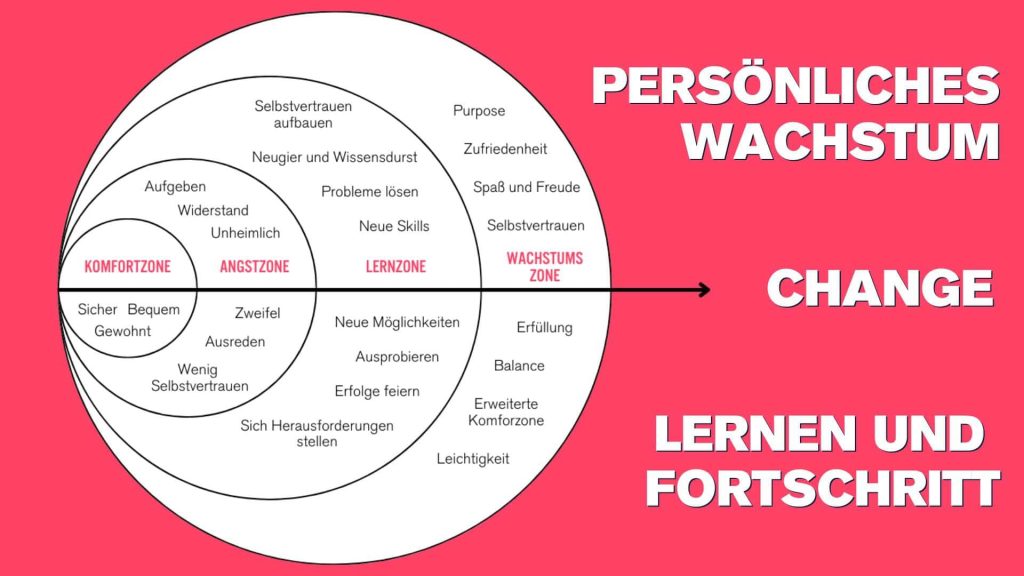
Before we start looking at ways and methods of getting out of your comfort zone, let's first take a look at the theoretical background. Broadly speaking, there are four main areas of behavior in your life: The comfort zone, the fear zone, the learning zone and the growth zone. You find yourself in all four zones more or less regularly and the specific distribution has a direct influence on your personal and business success, as well as your general satisfaction.

 comfort zone model

The comfort zone

Here you feel really at home. You have all the resources at your disposal and are always in control of the situation. Their knowledge and skills are well developed and prepared for all eventualities, so that problems rarely or never occur.

If you do what you always do, then you are in your comfort zone. Take, for example, a carpenter who has to make a cupboard and has done every single step hundreds of times. Everything fits and feels good. You could call him at 4 a.m. and he would do the job just as well, even if he was half asleep.

So far, so good, but the big problem in this area of behavior is that there is no personal growth at all. Since problems and challenges hardly ever arise, you only fall back on tried and tested methods. And why should you, because life in this zone is very comfortable and everything runs smoothly. It may not be particularly exciting, but this lack of variety is compensated for by increased comfort. However, there is no way around it: if you want to increase your flexibility and have more choices, you have to leave your comfort zone. Your behavioral repertoire and your personality simply have to grow.

Because growth is one of the basic human needs. If you are not growing, then you are just living for yourself and will find it very difficult to live happily and successfully. So please keep the following sentence in mind as you read the next few paragraphs (oh, preferably for the rest of your life): Your quality of life depends on the degree of growth with which you can live comfortably in the long term

The fear zone

Beyond your comfort zone, the unknown lurks. The fear zone begins and your conscious (and unconscious!) mind tries with all its might to persuade you to turn back. Because you are suddenly at the mercy of new and unprecedented situations, you start to doubt, look for excuses and would prefer to give up immediately.

No wonder, because so much can go wrong, won't work the first time and a persistent inner voice will constantly remind you how little self-confidence you have in this zone. You will often feel overwhelmed because so many new impressions are bombarding you. Your most important task is therefore to resist the temptations of inner resistance and instead consciously take the path of small steps. Embrace uncertainty and transform it into personal growth. And to repeat this as often as necessary until the first signs of success appear.

The learning zone  

In this area, many things are new to you and you have to actively look for new solutions and behaviors. For all problems and solutions, you can draw on a wealth of experience and extensive knowledge. Despite many unknown variables, you have the feeling that you can make conscious decisions to determine how you deal with the challenges.

Take again the example of the carpenter who has made a conscious decision to try something new. This could be making a piece of furniture using a completely new process or training in the processing of materials from outside the industry. In this zone, you learn a lot of new skills, acquire new knowledge and convictions, make the odd mistake and grow accordingly.

The growth zone

Shift is the most fun when it goes hand in hand with purpose, fulfillment and balance. And this is exactly what happens in the growth zone. Your self-confidence has now increased enormously, so that you dare to do things that you would never have dared to dream of before. Full of joy and ease, you throw yourself into solving problems, try out new ideas immediately and develop into a role model for those around you. Your new abilities, skills and characteristics are now second nature to you and help you to achieve your goals and dreams as unconscious automatisms.

But something else, much more important, happens as soon as you start to spend a lot of your time in the growth zone. Almost as if by magic, the boundaries of both your comfort zone and your fear zone shift. On the one hand, the comfort zone expands. No wonder, because what seemed completely unthinkable and beyond known rules and standards some time ago has now become a lived reality.

At the same time, the fear zone is also shrinking, because many situations in which you would have reacted with trembling knees and a pounding heart in the past have now become a perfect opportunity for you to grow as a person and gain new experiences. Will the doubts, the insecurity and the Fear ever disappear completely? Of course not. And that's a good thing, as they are the perfect indicator that you are about to do something extraordinary.

[cp_popup display=“inline“ style_id=“27000″ step_id = „1“][/cp_popup]

Leaving the comfort zone - meaning and psychology

And, while reading this, have you already made a small comparison as to which area you prefer to stay in? It is important to keep in mind that this is a dynamic model that is constantly shifting in width. If, for example, the area of the individual zones is currently 10 square centimetres, it can quickly grow to 50 or 100 square centimetres as a result of learning, growth and the accumulation of new resources.

In the same way, the boundaries between the individual zones naturally shift. Because what is still completely new and unfamiliar to you today can quickly become normal with the right training and thus shift into your comfort zone, which has naturally become larger by the learning factor. And in the growth zone, this effect is of course much stronger.

Leaving the comfort zone: Examples from everyday life

So whenever you feel a little overwhelmed in a situation, your pulse starts to race and the first drops of sweat start to form on your forehead, you know immediately that this is an important moment in your life, because you have most likely reached the edge of your comfort zone and are about to learn and grow something great.

While for some people this is the case with a short speech at a colleague's wedding, a phone call to a difficult customer or the prospect of a conflict with their boss, others have to seek out such moments and go on adventure vacations, jump over 100 meters from a bridge secured only by a thin rope or keep poisonous scorpions as pets.

Out of the comfort zone - the big dilemma

Now we come to the real dilemma. If it is so obvious that people only get closer to their goals and dreams in the growth and learning zone, then everyone should be constantly on the lookout for opportunities to push their comfort zone boundaries and increase their happiness and success, shouldn't they?

But this assumption couldn't be more wrong, because you can actually observe the exact opposite. People remain in their comfort zone for the majority of their lives and not only give away a huge amount of their potential, but above all the opportunity to achieve what they dream of and what they want to achieve in life. They set up their own golden cage and furnish it with more and more cozy accessories over time.

And then they sit there and dream of an exciting life, their childhood visions and, in a particularly courageous moment, of taking a chance and fulfilling a long-cherished dream. But because the uncertainty is too great, this thought is usually quickly pushed aside and their own comfort zone is made even more comfortable. The security of the known is preferred to the unknown of freedom. And in retrospect, this regularly leads to the aforementioned: „Oh, I wish I had dared...“

Leaving your comfort zone #1: Create a bucket list

What are the hundred most important things you want to experience, own or be before you die? The answers result in your so-called bucket list. This is nothing other than your dreams from the category „I would love to...“. Examples would be your own Porsche 911 in the garage, the position of CEO in a certain company or a trip around the world on a sailing ship.

By creating your bucket list, you have ensured one thing: You have 100 Goals, where you don't have to worry about the necessary motivation. Because the individual points are so enormously important to you. And at the same time, they are all outside your comfort zone.

Leaving your comfort zone #2: Facing your own fears

When it comes to leaving your comfort zone, the following universal rule applies: the changes you fear the most will bring the biggest breakthroughs. And the more often you face your fears, the greater the resulting breakthroughs will be. This will take some effort at first, but will become easier and easier over time. This is mainly because most fears are unfounded and are only huge in your head.

Leaving your comfort zone #3: Saying 'yes' to change

The more often you say AuJa to change, the more often you will find yourself in situations that will stretch your comfort zone and allow it to grow over time. Whenever you are confronted with a new idea, are invited to be part of a new project or simply need to try out new ways of doing things, say yes, even if you don't feel ready, don't have all the skills or the necessary experience. Fascinating things will happen as soon as you leave your comfort zone in this way.

Leaving the comfort zone #4: Many small success stories

It is much more promising if you leave your comfort zone a little bit a hundred times than if you go really extreme just once. On the one hand, the path of small steps leads to the fact that actively engaging in new experiences becomes a powerful experience for you. Habit will. The more often you are out of your comfort zone, the more successes you will celebrate. In this way, your self-confidence will increase almost automatically, which in turn will lead to you daring to leave your comfort zone even more often.

Leaving your comfort zone #5: Traveling to foreign countries

When it comes to „leaving your comfort zone“, traveling is probably the best training method for me. Because every encounter with foreign cultures, languages, customs, habits and peculiarities inevitably means that you have to get involved with something new. Nothing expands your comfort zone as intensively as regular travel. And it doesn't matter whether you are traveling to the other side of the world or just visiting a new region of your home country. One thing is certain: you will be a different person when you return.

Leaving your comfort zone #6: One new thing every day

A habit that I developed many years ago in my job as a Keynote Speaker and Author I have established is as follows: Every day I incorporate something into my work that I've never done before. This can be small things like changing a single word, but also bigger things like replacing a particularly important story in one of my Keynotes. Here, too, the intention is to turn the new into the normal. You should definitely try out this tip. Not only is it extremely powerful, it's also a lot of fun.

Leaving your comfort zone #7: Find a change buddy

As is so often the case in life, leaving your comfort zone is more fun in pairs. It is therefore advisable to find a change buddy with whom you can share new experiences. This will not only increase your motivation, but also ensure the necessary commitment to your plans. A change buddy can be a friend, a family member or even a colleague. The main thing is that your goals are similar and you trust each other.

Out of the comfort zone - a conclusion

Real life and extraordinary success always happen outside your comfort zone. Because that's where unknown paths, crazy ideas and never-before-tried behaviors await you. But the more often you face up to these changes, the more likely you are to grow as a person and become a better boss, a more successful entrepreneur or a happier manager. 

The most important success factor is that you don't see leaving your comfort zone as a temporary project, but as a special project. Mindset and a general attitude to life. This will not only make your everyday life more colorful, intense and beautiful, but also more successful. I therefore wish you lots of fun and unforgettable experiences as you try out these 7 tips!

Sincerely,

Yours Ilja Grzeskowitz

Intrinsic motivation - doing makes the difference

Intrinsic motivation is something like the holy grail of change. Everyone strives for it, but very few find it sustainable. We want to change that with this article. Would you like to start with a little experiment? The next time you have the opportunity to speak in front of a group of at least twenty people, why not ask the group who knows someone who is resistant to change and tends to moan and complain?.

My prediction: you will almost certainly see almost one hundred percent raised hands. Everyone knows one. Right after that, ask yourself who you think is a person who tends to whine and complain. My prediction here is that you won't see a single raised hand. Nobody wants to be one. Well, I'll leave the mathematical analysis and the corresponding conclusion to your imagination for the moment.

When I look around me, I notice a lot of people who are constantly moaning about how difficult it is to change. And then I often hear a standard excuse:

„Oh Ilya, my intrinsic motivation just isn't what it used to be. If you had a boss (you can also use partner, friend, colleague or another person here) like me, you would feel the same way. That's where change is complicated.“

What does intrinsic motivation mean?

I would therefore like to share another of my strongest convictions with you. It is the result of working with thousands of employees, as well as from my daily lectures, consultations and training sessions in large and small companies. It may again be contrary to the messages you are usually told because it is what most people want to hear. Nevertheless, it does not change the fact that it is an indispensable building block on the path to successful change.

I firmly believe that you cannot motivate other people. Not you, not your boss and not me either. While it is very easy to demotivate someone else (look around you at work and you will find many examples of this), it is not possible to move someone from point A to point B if they would rather stay where they are now.

Of course, I can tempt you with the carrot or threaten you with the stick. I can also give you a wonderful motivational kick that will get you going full of energy and drive. I can also provide you with the optimal framework conditions under which you can develop your full potential.

But all of this only works in the short term. In the long term, you simply need more. In order to make a lasting change, you must also take full responsibility for your intrinsic motivation. There is no other person who can do this. And that is precisely why intrinsic motivation is so important.

Intrinsic motivation Definition

But how does intrinsic motivation arise? As is so often the case, the process is simple, but by no means easy. I am often asked: „Ilya, where do you get your high intrinsic motivation from that you use to tackle things?“ And my answer regularly causes great astonishment:

„That's simple. I have a family that needs to be well off. I have bills to pay and I like to treat myself once in a while. But above all, I have given my word that I will do it. To my customers, my employees and my colleagues. But especially to myself.“ For me, intrinsic motivation is an inevitable consequence of my results, not a prerequisite.

And that is precisely the definition of intrinsic motivation. These are behaviors that are driven by inner desires, needs or values. Or to put it another way: it is a motivation that comes exclusively from within and arises independently of external influences such as recognition, bonus payments or pressure.

Intrinsic motivation always arises when you know why and for what reason you want to do certain things. If you have a powerful „why“, then you will take action all by yourself. Even if you don't feel like doing something, you'll keep going anyway. Because you have made up your mind and you always know what you are doing it for. And now comes the amazing thing for many. Because the more you get into action, the better results you will be able to admire.

And this also increases your intrinsic motivation. Because you are proud of what you have achieved. Because you can't wait to get on with it. Because the successful Shift in itself is the greatest drive you can imagine. Intrinsic motivation could therefore also very well be described as the motivation to do.

The motivation of doing as a prerequisite for change

My main aim with this article is to give you a comprehensive insight into the topic of Motivation to give. However, you must make the decision to change yourself. Preferably right now. You must also take responsibility for your intrinsic motivation. Preferably forever. And you also have to leave yourself.

Ideally together with people who support you on your journey. You can rely on one thing. The motivation to do things will not always lead you directly to your goal, but above all it will lead you along your own individual path. Have you already made up your mind? If not, I would now like to show you a few consequences that await you if you would rather leave everything as it is.

Powerful intrinsic motivation ensures that change becomes easy and leads to a high level of satisfaction at work and in everyday life. If, on the other hand, you hope that there are already enough other people who care about your motivation, then this strategy leads directly to mediocrity, which is becoming more and more widespread.

And you would be in good company. The Allensbach Institute recently conducted a survey to find out how Germans feel about life. The result is not surprising to me: the so-called "middle generation" is growing ever larger. Over thirty-five million people in Germany belong to this group.

And the members basically only have one wish. Everything should stay as it is. They are afraid of any form of change and above all want stability and financial security. They never take any risks, preferring to play it safe. The intrinsic motivation to change is zero.

Security is just an illusion

But the larger the middle generation becomes, the more the associated mediocrity spreads. People have come to terms with the life they lead and accept it without resistance. Neal Donald Walsh described this form of existence in his book Conversations with God very aptly as a life of quiet desperation labeled. And that's exactly what it is. You work day in, day out and have given up your dreams in favor of a supposed sense of security. But this security is just an illusion. It is only in your head.

Do you have an item that you have grown incredibly fond of, even though it should have been disposed of long ago? Over ten years ago, my wife gave me a small bathroom radio. It's made entirely of plastic, the technical equipment consists of two old-fashioned rotary knobs and the sound isn't exactly what you would call state-of-the-art.

Nevertheless, this radio has been with me for a long time now. Although it is slowly but surely falling apart, I have completely taken this relic of analog entertainment electronics to my heart. It's gotten to the point where I miss something when I stay in a hotel while traveling and have to do without it.

Intrinsic motivation: Resist the programming

For many years, I have had several rituals with which I start the day. Firstly, I start every morning by sitting down for fifteen minutes with positive things to occupy myself. I read a chapter from my favorite books, listen to an audio program with inspiring messages or write down my daily goals. These habits alone work wonders for my intrinsic motivation.

Then I go to the bathroom and jump in the shower. And although I otherwise very rarely listen to the radio, I like to switch on my old sweetheart during the twenty minutes I spend in the bathroom in the morning so that I can sing along to a few old and new popular songs.

And during the daily morning show, I often have to think about how many people have locked their dreams in a drawer and instead voluntarily live according to the Robinson principle. What is that? They are already eagerly awaiting Friday at the beginning of the week. You can imagine it as follows.

The alarm clock rings at 06:03 on Monday morning. Drowsy and with the last of your strength, you hit the snooze button and buy yourself one last quarter of an hour of precious sleep. Then you get dressed and drag yourself to work with more difficulty than good. You're in a bad mood because it's Monday after all. The dreadful working week that you've been dreading all weekend is about to begin.

And just in case you've forgotten how awful Mondays are, the friendly voice on the radio reminds you again: „We're sorry, dear listeners, it's Monday again today and we hope you get through the day okay.

But don't worry, it'll be the weekend again in five days“ time. Then „I don't like Mondays“ by Bob Geldorf and the Boomtown Rats is played at least three times and regularly repeated until lunchtime about how awful it is that work starts again on Monday.

Somehow you manage to get through the day and fall exhausted onto the couch in the evening. With the remote control in your hand, you watch Wife swap, Big Brother or Daughter-in-law wanted and then falls into bed half dead after three beers.

Life in a mental no man's land

Until the alarm clock rings again at 06:03 on Tuesday morning. But on Tuesday you have a little hope. Because the nice voice on the radio announces that it's almost Wednesday and therefore the mountain festival, which will of course be duly celebrated the following day.

Thursday is spontaneously declared the „little brother of Friday“, and on Friday, oh, everyone breathes a collective sigh of relief because the dreadful and never-ending week is finally behind them. Friday is therefore also the very best and most beautiful day of the week, when you can finally pop the corks.

On the radio, this day of the week is therefore celebrated like Christmas and Easter combined, and everyone prepares for the weekend when real life can finally begin. But what does this life usually look like? Right, you sit exhausted on the couch with the remote control and watch Wife swap, Big Brother or Daughter-in-law wanted.

But now you can finally enjoy this time because it's the weekend. But wait, it's not quite so enjoyable after all, because on Saturday morning you're already dreading the fact that it will soon be Monday again and the alarm clock rings at 6:03 am.

And just to be on the safe side, the nice voice on the radio also reminds you on Saturday: „Enjoy the short time, dear listeners, because it will soon be Monday again!“ And then it all starts all over again. Week after week. Month after month. Year after year. For some, a lifetime.

Intrinsic motivation and demotivation arise in the subconscious

Have I oversubscribed? Most certainly. But maybe not. Feel free to put it to the test. Whichever city you live in and whichever station you have chosen as your number one, I could bet that you are also familiar with this sequence of negative programming.

The dreadful Monday. The most popular strategies for getting through the supposedly dreadful working week. Friday as the best day and the big goal on which everyone focuses their longing.

Sounds familiar, doesn't it? Everyone knows these sayings and most people even laugh a little at them. But how is this supposed to create sustainable intrinsic motivation? What's more, the more often you hear these suggestions uncritically, the more you believe them. Until at some point the radio messages become your own personal reality and you join in the chorus of wailing sirens.

But just think about what model of life is hammered into your subconscious every day and settles there comfortably over time. The Mindset, that is behind this programming is more widespread today than ever before.

These supposedly harmless and humorous statements by radio presenters convey nothing other than that there is a clear division between the terrible working time and the desirable living time.

Don't fall into this trap. After all, where does it say that you can't be just as happy on Monday as you are on Saturday? And what kind of life is it where you spend five days doing things that you don't actually like or even despise?.

And all this just to be able to enjoy real life in the short time available at the weekend. The consequences of this Attitude can be observed every day in the suburban trains, buses and trains of this republic. Most followers of the Robinson principle bumble along more badly than well. They have no great worries, but no real joys either. There is no lasting satisfaction, but the dissatisfaction is not yet great enough to change anything.

Intrinsic motivation or a life of quiet desperation?

This is exactly what I call the mental no man's land. A life of quiet desperation. At a young age, many people have a head full of dreams and fantasize about everything they want to be, do and have in their lives. The inner fire burns brightly.

But then you come to your senses in the middle of the journey. Something comes up. The job as head of department, the prestigious project at the law firm or the reassuring security of civil servant status as a history teacher at a secondary school. And before you know it, you have lowered your own standards and resigned yourself to your current situation.

You're not entirely satisfied, but you're not dissatisfied either. No, it could certainly have been worse. Yes, of course, the dreams from back then are still there, but the mortgage for the semi-detached house doesn't pay for itself.

The inner fire either burns only on a low flame or is completely extinguished. You settle comfortably into mediocrity, which is just pleasant enough to stand in the way of developing your full potential.

But luckily dreams are persistent. They come knocking again with regularity and remind you that they have by no means disappeared. And this inner longing needs to be recognized and then put into action. You have a choice every day. To give your word and let your powerful intrinsic motivation work for you, or to slowly but surely take the path to spiritual no man's land. Which do you choose?

The 100 best books of all time: Business Edition

Was sind die 100 besten Bücher aller Zeiten? Diese Frage ist ungemein schwer zu beantworten, insbesondere wenn es sich um Bücher aus dem Bereich Business handelt. Aus diesem Grund habe ich mir die Zeit genommen, einmal mein Bücherregal, meine Audible App und meine Kindle Bibliothek einer sorgfältigen Prüfung zu unterziehen. Im Laufe der letzten zwanzig Jahre habe ich nämlich hunderte von Business Büchern zu den unterschiedlichsten Themen gelesen, und die besten davon auch regelmäßig in meinen Change Monday Impulsen empfohlen.

Herausgekommen ist am Ende eine Liste mit den aus meiner Sicht 100 besten Büchern aller Zeiten. Dabei habe ich zwei Kriterien angelegt: 1) Ich muss das Buch selber gelesen (bzw. gehört) haben. Und 2) Das Buch muss mich auf die eine oder andere Art und Weise berührt, beeinflusst und verändert haben.
 

Die 100 besten Business Bücher, die man gelesen haben muss

Um Dir das Stöbern so übersichtlich wie möglich zu machen, habe ich die komplette Liste in zehn Top 10 Unterkategorien unterteilt. Auch dies war durchaus herausfordernd, denn nicht jedes Buch lässt sich eindeutig zuordnen und manche Werke hätten durchaus auch in drei bis vier verschiedenen Kategorien vertreten sein können.
 
Die 10 besten Entrepreneurship Bücher
Die 10 besten Leadership Books
Die 10 besten Marketing Bücher
Die 10 besten Persönlichkeitsentwicklung Bücher
Die 10 besten Management Bücher
Die 10 besten Psychologie Bücher
Die 10 besten Produktivitäts Bücher
Die 10 besten Kommunikations Bücher
Die 10 besten Change management Books
Die 10 besten Business Biografien
 
Jedes einzelne Buch habe ich verlinkt, und mich dabei bemüht – sofern möglich – die deutsche Version zu verwenden. Manchmal ging dies logischerweise nicht, so dass ich das englische Original in die Liste aufgenommen habe. Aber ich empfehle sowieso immer, ein Buch in der Originalsprache zu lesen. Nicht nur kann man die Urgedanken der Autoren aufnehmen, es trainiert gleichsam auch die Verwendung der Fremdsprache. Und im zweiten Schritt die Motivation, diese auch anzuwenden.
 
Und noch ein letzter Hinweis. Selbstverständlich habe ich meine eigenen Bücher nicht mit in die Liste aufgenommen. Erstens würde ich mir niemals anmaßen, mich auf eine Stufe mit Seth Godin, Ariana Huffington oder Stephen King zu setzen und zweitens gibt es sowieso genug Eigenlob auf dieser Welt. Wenn Du trotzdem einen Blick auf meine Bücher werfen willst, dann kannst Du das unter diesem Link tun.


Die 10 besten Bücher aller Zeiten: Unternehmertum

  1. Lean Startup: Schnell, risikolos und erfolgreich Unternehmen gründen von Eric Ries
  2. Me, Inc.: Build an Army of One, Unleash Your Inner Rock God, Win in Life and Business von Gene Simmons
  3. Der Weg zum erfolgreichen Unternehmer: Wie Sie und Ihr Unternehmen neue Dynamik gewinnen von Stefan Merath
  4. Linchpin – Are You Indispensible? von Seth Godin
  5. The E-Myth Revisited: Why Most Small Businesses Don’t Work and What to Do About It von Michael E. Gerber
  6. The 4-Hour Work Week: Escape the 9-5, Live Anywhere and Join the New Rich von Tim Ferriss
  7. Kopf schlägt Kapital: Die ganz andere Art, ein Unternehmen zu gründen – Von der Lust, ein Entrepreneur zu sein von Günter Faltin
  8. #AskGaryVee: One Entrepreneur’s Take on Leadership, Social Media, and Self-Awareness von Gary Vaynerchuck
  9. Der Mönch, der seinen Ferrari verkaufte von Robin Sharma
  10. The Hard Thing About Hard Things: Building a Business When There Are No Easy Answers von Ben Horowitz


Die 10 besten Bücher aller Zeiten: Leadership


Die 10 besten Bücher aller Zeiten: Marketing

  1. Hooked: Wie Sie Produkte erschaffen, die süchtig machen von Nir Eyal
  2. Expert Secrets – The Underground Playbook for Converting Your Online Visitors into Lifelong Customers von Russel Brunson
  3. The 1-Page Marketing Plan: Get New Customers, Make More Money, And Stand Out From The Crowd von Alan Dib
  4. The Innovator’s Dilemma: Warum etablierte Unternehmen den Wettbewerb um bahnbrechende Innovationen verlieren von Clayton Christensen
  5. This Is Marketing: You Can’t Be Seen Until You Learn to See von Seth Godin
  6. Buyology – Warum wir kaufen, was wir kaufen von Martin Lindstrom
  7. Launch Die Ultimative Anleitung für das E-mail-Marketing von Jeff Walker
  8. Blink – Die Macht des Moments von Malcom Gladwell
  9. Contagious: Why Things Catch On von Jonah Berger
  10. Made to Stick: Why some ideas take hold and others come unstuck von Chip und Dan Heath


Die 10 besten Bücher aller Zeiten: Personal Development

  1. The Subtle Art of Not Giving a F*ck: A Counterintuitive Approach to Living a Good Life von Mark Manson
  2. Think and Grow Rich: Die ungekürzte und unveränderte Originalausgabe von „Denke nach und werde reich“ von 1937 von Dr. Napoleon Hill
  3. The Wim Hof Method: Activate Your Potential, Transcend Your Limits von Wim Hof
  4. The One Thing: Die überraschend einfach Wahrheit über außergewöhnlichen Erfolg von Gary Keller
  5. The Big 5 for Life – Was im Leben wirklich zählt von John Strelecky
  6. The School of Greatness: A Real-World Guide to Living Bigger, Loving Deeper, and Leaving a Legacy von Lewis Howes
  7. Mad Genius von Randy Gage
  8. Shut Up, Stop Whining, and Get a Life: A Kick-ButtApproach to a Better Life-Second Edition von Larry Winget
  9. Ich bin dann mal weg: Meine Reise auf dem Jakobsweg von Hape Kerkeling
  10. The Obstacle Is the Way: The Timeless Art of Turning Trials into Triumph von Ryan Holiday


Die 10 besten Bücher aller Zeiten: Management


Die 10 besten Bücher aller Zeiten: Psychologie

  1. Mindset – Changing The Way You think To Fulfil Your Potential von Dr. Carol Dweck
  2. … trotzdem Ja zum Leben sagen: Ein Psychologe erlebt das Konzentrationslager von Viktor Frankl
  3. Everything Is Figureoutable von Marie Forleo  
  4. The War of Art – Break Through the Blocks and Win Your Inner Creative Battles von Steven Pressfield
  5. Schnelles Denken, Langsames Denken von Daniel Kahnemann
  6. Die 7 Wege zur Effektivität: Prinzipien für persönlichen und beruflichen Erfolg von Steven Covey
  7. Influence, New and Expanded: The Psychology of Persuasion von Robert Cialdini
  8. The Millionaire Fastlane: Crack the Code to Wealth and Live Rich for a Lifetime von MJ DeMarco
  9. Think Again – Die Kraft des flexiblen Denkens von Adam Grant


Die 10 besten Bücher aller Zeiten: Produktivität

  1. Die 1%-Methode – Minimale Veränderung, maximale Wirkung: Mit kleinen Gewohnheiten jedes Ziel erreichen von James Clear
  2. Deep Work: Rules for Focused Success in a Distracted World von Cal Newport
  3. Eat that Frog: 21 Wege, wie Sie in weniger Zeit mehr erreichen von Bryan Tracy
  4. On Writing: A Memoir of the Craft von Stephen King
  5. Building a Second Brain: A Proven Method to Organise Your Digital Life and Unlock Your Creative Potential von Tiago Forte
  6. Getting Things Done: The Art of Stress-Free Productivity von David Allen
  7. Das Zettelkasten-Prinzip: Erfolgreich wissenschaftlich Schreiben und Studieren mit effektiven Notizen von Söhnke Arens
  8. Flow – Das Geheimnis des Glücks von Mihaly Csikszentmihalyi
  9. Steal Like an Artist: 10 Things Nobody Told You About Being Creative von Austin Kleon
  10. Essentialismus: Die konsequente Suche nach Weniger. Ein neuer Minimalismus erobert die Welt von Greg McKeown


Die 10 besten Bücher aller Zeiten: Kommunikation

  1. Choose Your Story, Change Your Life: Silence Your Inner Critic and Rewrite Your Life from the Inside Out von Kindra Hall
  2. Building a StoryBrand: Clarify Your Message So Customers Will Listen von Donald Miller
  3. Respekt! Wie Sie Ansehen bei Freund und Feind gewinnen von René Borbonus
  4. Words That Work: It’s Not What You Say, It’s What People Hear von Frank Luntz
  5. Geh nie alleine essen! – Und andere Geheimnisse rund um Networking und Erfolg von Keith Ferrazzi
  6. On Becoming Fearless: …in Love, Work, and Life von Ariana Huffington
  7. Wie man Freunde gewinnt: Das einzige Buch, das Sie brauchen, um beliebt und einflussreich zu sein von Dale Carnegie
  8. Miteinander reden 1-4 von Friedemann Schulz-von-Thun
  9. Der Almanach von Naval Ravikant: Ein Leitfaden auf dem Weg zu Reichtum und Glücklichsein von Eric Jorgenson
  10. Leise Menschen – starke Wirkung: Wie Sie Präsenz zeigen und Gehör finden von Sylvia Löhken


Die 10 besten Bücher aller Zeiten: Change Management

  1. Who Moved My Cheese?: An A-Mazing Way to Deal with Change in Your Work and in Your Life von Spencer Johnson
  2. Imagine It Forward: Courage, Creativity, and the Power of Change von Beth Comstock
  3. Leading Change: Wie Sie Ihr Unternehmen in acht Schritten erfolgreich verändern von John Kotter
  4. Switch: Veränderungen wagen und dadurch gewinnen! von Chip und Dan Heath
  5. ADKAR: A Model for Change in Business, Government and Our Community von Jeffrey Hiatt
  6. Change (the) Management: Why We as Leaders Must Change for the Change to Last von Al Comeaux
  7. HBR’s 10 Must Reads on Change Management vom Harvard Business Review
  8. Change mich am Arsch: Wie Unternehmen ihre Mitarbeiter und sich selbst kaputtverändern von Axel Koch
  9. Doing Agile Right: Transformation Without Chaos von Darrel Rigby
  10. You’re It: Crisis, Change, and How to Lead When It Matters Most von Leonard Marcus et al


Die 10 besten Bücher aller Zeiten: Biografien

  1. Astrid Lindgren. Ihr Leben von Jens Andersen
  2. Total Recall: Die wahre Geschichte meines Lebens von Arnold Schwarzenegger
  3. Shoe Dog: Die offizielle Biografie des NIKE-Gründers von Phil Knight
  4. Ozzy: Die Autobiografie von Ozzy Osbourne
  5. Die wahre Geschichte von McDonald’s von Ray Kroc
  6. Hoeneß: Die Biografie von Patrick Strasser
  7. Der lange Weg zur Freiheit: Autobiographie von Nelson Mandela
  8. Steve Jobs: Die autorisierte Biografie des Apple-Gründers von Walter Isaacson
  9. Elon Musk: Wie Elon Musk die Welt verändert – Die Biografie von Ashlee Vance
  10. Michael Jordan: The Life von Roland Lazenby


Die 100 besten Bücher aller Zeiten: Welche fehlen noch?

Ich hoffe sehr, dass meine subjektive Liste der 100 besten Bücher aller Zeiten für Dich wertvoll und inspirierend war. Ich würde sie gerne noch erweitern. Und zwar um DEINE Buchempfehlungen. Welche Business Bücher haben Dich geprägt? Welche verschenkst Du gerne? Und gibt es eine Kategorie, die aus Deiner Sicht noch fehlt? Schreib Deine Empfehlungen am besten direkt ins Kommentarfeld…

Das Gesetz der Anziehung – Esoterischer Unsinn oder Geniales Konzept?

Das Gesetz der Anziehung spaltet die Meinungen wie kein zweites pyschologisches Konzept. Denn während die einen es feiern und als zentrales Lebensmotto auserkoren haben, ist es für andere eher eine esoterische Schnapsidee, die dazu entworfen wurde, um empfänglichen Menschen das Geld aus der Tasche zu ziehen. Aber wer hat nun recht? In diesem Artikel wollen wir uns genau dieser Frage widmen und das Gesetz der Anziehung einem sorgfältigen Check-Up unterziehen.

The Secret: Richtig manifestieren lernen

Das Leben an sich ist voller Grautöne. Es ist weder gut noch schlecht. Es ist voller Chancen, Möglichkeiten und Gelegenheiten. Es ist aber auch voller Risiken, Misserfolge und Rückschläge. Wie ihr persönliches Leben aussieht, hängt ganz alleine von ihnen ab, je nachdem, wie Sie ihren Fokus ausrichten und worauf Sie bewusst oder unbewusst achten. Dieser Fokus wird im Kopf ausgerichtet und ist ein Spiegel Ihrer Persönlichkeit. Dieses Konzept stammt übrigens nicht von mir, sondern kann bereits im Talmud nachgelesen werden.

Dort finden Sie folgende Formulierung: „Wir sehen die Welt nicht wie sie ist. Wir sehen die Welt wie wir sind!“. Da ist eine Menge dran, nicht wahr? Ihre innere Welt manifestiert sich in der äußeren Welt. Sobald Sie beginnen, dauerhaft positiv bzw. negativ zu denken, werden dementsprechende Ergebnisse auch bald in Ihrem Alltag immer häufiger auftauchen. Dafür müssen Sie sich fokussieren und Ihre Gedanken und mentalen Energien in die richtigen Bahnen lenken, damit sich ein Prozess in Gang setzen kann, der eine unglaubliche Wirkung hat.

Im folgenden muss ich allerdings ein wenig aufpassen, dass ich die richtigen Worte verwende. Denn normalerweise löst alleine die Erwähnung von Schlagworten wie „Das Gesetz der Anziehung“ oder „Wünschen beim Universum“ bei mir ziemlich ambivalente Gefühle aus. Denn Bestseller wie The Secret von Rhonda Byrne, Bestellungen beim Universum von Bärbel Mohr oder Bestellen und Bekommen von Esther Hicks haben leider dazu geführt, dass eine ganze Generation von Menschen in gutem Glauben handelnd und ohne es zu wollen, zu Unterlassern wurden. Und damit meine ich diese Zeitgenossen, die so viel denken, manifestieren und wünschen, dass sie dabei leider die wichtigste Komponente vergessen: Das aktive Handeln.

Bestellungen beim Universum: Wünschen alleine reicht leider nicht

Man kann den Fans von The Secret und Co. nicht mal einen großen Vorwurf machen, denn das Versprechen ist groß. Man muss nur seine Wünsche in einer entsprechenden Form an das große Universum schicken und dann darauf vertrauen, dass man das gewünschte Ergebnis auf irgendeine Art und Weise geliefert bekommt. Manche wünschen sich einen Parkplatz, andere einen neuen Job oder Lebenspartner und wiederum andere möglichst viele Kunden für ihr Unternehmen. Und kommt das Ergebnis nicht, dann „sollte es eben nicht sein“, oder „das Universum hat eben andere Pläne mit einem“.

Eine sehr bequeme und vor allem elegante Ausrede, nur um nicht die Verantwortung für seinen eigenen Erfolg übernehmen zu müssen. Aber im Endeffekt doch wieder eine Ausrede. Denn eines ist offensichtlich: Nur mit Wünschen ist es nicht getan. Man muss für seinen Erfolg auch etwas tun! Wie so oft machen Details den entscheidenden Unterschied. Der Großteil der Profi-Wünscher, Gesetz der Anziehung Fans und Universums-Freunde hat nämlich die entscheidende Passage bei The Secret elegant ausgeblendet: Dass man nach dem Wünschen auch etwas tun muss, damit sich ein Ergebnis zeigt. Deshalb sind alle erfolgreichen Menschen auch so gut wie immer Macher und Anpacker.


[cp_popup display=“inline“ style_id=“27000″ step_id = „1“][/cp_popup]


Das Gesetz der Anziehung Definition: Wie funktioniert es denn nun?

Dies gesagt, müssen wir an dieser Stelle etwas wichtiges festhalten. Das psychologische Konzept, dass Sie unter Gesetz der Anziehung kennen, ist nicht nur genial, sondern auch ein weiterer wichtiger Baustein auf dem Weg zu mehr Erfolg, Bedeutung und Zufriedenheit im Leben Lassen Sie sich von dem leicht esoterischen Touch bitte nicht abschrecken, denn die Ergebnisse, die Sie erzielen können, sind mehr als real. Um das Gesetz der Anziehung umfassend zu erklären, könnte ich jetzt einen langen Ausflug in die spannende Welt der Quantenphysik machen, jedoch ist in diesem Fall gar nicht wichtig, warum es so gut funktioniert, sondern einzig und allein, dass es dass tut. Die Welt ist voller lebender Beweise dafür.

Ist ihnen nicht auch schon mal aufgefallen, dass besonders großzügige Menschen auch von anderen oft etwas geschenkt bekommen? Dass positive Menschen immer irgendwie zur richtigen Zeit eine Lösung finden? Wer viel gibt, bekommt auch viel zurück. Nicht immer aus der gleichen Richtung und auch nicht immer sofort. Aber man bekommt zurück. Meist, wen man gar nicht mehr daran denkt, und dann von einer Person, mit der man nie gerechnet hätte.

Dabei ist vor allem entscheidend, dass man gerne gibt und es nicht nur tut, weil man darauf aus ist, etwas zurückzubekommen. Dies ist ein positiver Nebeneffekt, der sich von ganz alleine einstellt. Aber alleine schon das Geben von Geld, Liebe, Zuneigung oder anderen guten Gefühlen sorgt dafür, dass Energie zu fließen beginnt und es zu einem Kreislauf kommt, der sich im Laufe der Zeit verstärkt. Für alle Macher und Umsetzer ist das Universum daher der beste Freund und Unterstützer, den man sich wünschen und auf dessen Dienste man vertrauen kann.

Das Gesetz der Anziehung in einem Satz zusammengefasst

Wohin Sie Ihren Fokus richten, dahin fließen Ihre Zeit, Ihr Geld und Ihre Energie. Und wohin diese wichtigen Ressourcen fließen, davon bekommen Sie mehr. Das ist in einem einfachen Satz ausgedrückt das Gesetz der Anziehung. Fokussiere Sie sich auf Chancen, Möglichkeiten und Erfolg, dann werden Sie genau das finden. Konzentrieren Sie sich hingegen auf Probleme, Misserfolg und all das, was schief gehen kann dann werden Sie auch davon mehr erhalten. Denn das Universum liefert sehr zuverlässig.

Genau in diesem Mechanismus liegt auch das Geheimnis, warum es so viele Glückspilze gibt, die scheinbar mühelos durchs Leben schweben und, egal was sie auch anfangen, immer erfolgreich sind. Und genau so natürlich die ewigen Pechvögel, die immer nur am kämpfen sind (erkennen Sie oft an ihrer Sprache, denn solche Menschen antworten auf die Frage „Wie geht´s Dir?“ sehr häufig mit „Ach, man kämpft noch!“) und denen das hart verdiente Geld wie Sand durch die Finger zu rinnen scheint. Der Fokus macht den Unterschied.

Denn während die einen überall Chancen und Möglichkeiten sehen, suchen die anderen permanent nach Ausreden, Problemen und eventuellen Risiken. Wie viel Wahrheit in dieser Aussage steckt, habe ich schon sehr früh am Anfang meiner Karriere gelernt, als mir einer meiner Chefs folgenden Satz mit auf meinen Weg gab: „Wer etwas will, der findet Lösungen. Wer etwas nicht will, der sucht nach Gründen!“

Positives Denken: Weg mit der rosaroten Brille

So sehr ich ein Fan davon bin, den Fokus auf die vielen Chancen im Leben auszurichten, so wenig möchte ich in die Richtung „man muss nur positiv denken, und alles wird gut“ Schiene abdriften. Denn mit einer rosaroten Brille auf den Augen ist noch keiner erfolgreich geworden. Das Leben ist eine permanente Abfolge von Höhen und Tiefen, von Erfolgen und Niederlagen und insgesamt der kompletten Klaviatur der Emotionen. Entscheidend ist einzig und alleine, wie man mit den Tiefen umgeht, um das Beste daraus zu machen.

Napoleon Hill, Autor des Weltbestsellers „Denke nach und werde reich“ hat hier einen sehr nachahmenswerten Ansatz. Er formulierte es nämlich wie folgt: „Es gibt keinen noch so großen Nachteil, der sich nicht in einen Vorteil umwandeln ließe!“ Genau so funktioniert das positive Denken. Situationen anzunehmen wie sie sind, nach Möglichkeiten zu suchen, was man daraus lernen kann und welche Chancen sich eventuell bieten.

Wenn ein Ergebnis nicht so ist, wie man es haben wollte, dann muss man etwas ändern. Seinen mentalen Fokus neu ausrichten und abseits der ausgetretenen Pfade denken. Etwas tun, was nicht alle tun. Auf keinen Fall aber abzuwarten und zu hoffen, dass es sich schon irgendwie regeln wird. Stattdessen aktiv zu handeln, um zu neuen Lösungen zu kommen und auf diese Art und Weise vielleicht zu einem noch besseren Ergebnis zu kommen.

Da wo Energie hinfließt, dahin schickt das Universum mehr Energie hin. Erfolg und Misserfolg verselbständigen und multiplizieren sich sehr schnell. Wenn Sie also erst einmal ihren mentalen Fokus auf Erfolg, finanzielle Freiheit, Chancen und Möglichkeiten ausgerichtet haben, dann werden Sie genau davon mehr bekommen. Sie werden neue Kontakte knüpfen, es laufen ihnen Menschen über den Weg, die ihnen phantastische Angebote machen und ihr Leben wird scheinbar wie von selbst reicher, interessanter und bunter werden.

Das Gesetz der Anziehung anwenden: Eine spannende Studie

In einem Experiment wurde in den USA untersucht, ob es tatsächlich so etwas wie eine Erfolgs Mindset gibt. Hierzu wurde eine Gruppe von 100 Leuten ausgewählt und im Vorfeld interviewt. Keiner der Probanden wusste genau, worum es ging, denn Vordergründig wurde ihnen mitgeteilt, dass es sich um eine Studie zum Konsumverhalten handeln würde. Im Verlaufe des Interviews wurden sie jedoch gefragt, ob sie sich eher als erfolgreich oder als nicht erfolgreich einstufen würden. Das Ergebnis war frappierend. Von 100 Leuten bezeichneten sich nur 20 Personen als Erfolgsmenschen, der Rest hatte sich mit dem individuellen Schicksal arrangiert und sich selbst mit „nicht erfolgreich“ identifiziert.

Den einzelnen Probanden wurde nun mitgeteilt, dass man sich zur eigentlichen Studie in einem Büro zwei Blocks weiter treffen wollte, wohin sie zu Fuß gehen mussten. Das eigentliche Experiment fand jedoch schon auf dem Weg zum vermeintlichen Treffpunkt statt. Kurz vor dem Eingang wurde eine 100 Dollar Note gut sichtbar auf dem Bürgersteig platziert und die Reaktionen der Teilnehmer mit einer versteckten Kamera aufgenommen. Und nun geschah etwas Erstaunliches.

Nur knapp 20 Personen gingen mit offenen Augen über die Straße. Man sah ihnen auf dem Bildschirm regelrecht an, wie in dem Moment, in dem sie den Geldschein erblickten, eine Art Alarmleuchte in ihrem Kopf zu blinken begann und die Worte „Gelegenheit“ und „Chance“ vor ihrem geistigen Auge erschienen. Dann bückten sie sich, griffen zu und freuten sich, dass sie um 100 Dollar reicher waren.

Doch was passierte mit dem Rest? Ungefähr 70 Personen gingen schnurstracks an dem Geldschein vorbei, ohne ihn überhaupt wahrzunehmen. Weitere 10 Personen sahen die 100 Dollar zwar und blieben auch kurz stehen. Doch dann schien eine Art innerer Dialog abzulaufen, der höchstwahrscheinlich ungefähr so klang: „Nein, das kann gar nicht sein, ich habe doch niemals so ein Glück!“ Und dann gingen sie weiter, ohne die sich ihnen bietende Gelegenheit zu ergreifen.

Und nun raten Sie mal, ob die 20 Probanden, welche die 100 Dollar aufgehoben hatten, zur Kategorie der Erfolgreichen gehörten, oder ob sie sich selbst als eher unglücklich bezeichneten? Ganz klar, sie waren die positiven Menschen, die ihre mentalen Strategien so ausgerichtet hatten, dass sie vom Gesetz der Anziehung bzw. dem Universum permanent Geschenke in Form von Gelegenheiten und Möglichkeiten geboten bekamen. Und sie griffen gerne zu.

Wünschen beim Universum: Ein Fazit

Ich hoffe, dass meine Überlegungen zum Gesetz der Anziehung zwei Dinge deutlich gemacht haben. Zum einen, dass Bestellungen beim Universum richtig gut funktionieren. Allerdings nur dann, wenn man dem Manifestieren von Wünschen, Hoffnungen und Zielen auch die entsprechenden Taten folgen lässt. Zu Hause auf dem bequemen Sofa zu sitzen und einen Wunsch nach dem anderen ans Universum rauszuschicken ist leider nicht genug. Wenn Sie hingegen den Fokus auf Chancen mit einer ausgeprägten Umsetzungskompetenz kombinieren, dann kommt ein weiteres universelles Erfolgsgesetz zur Anwendung. „Glück entsteht, wenn harte Arbeit und Fleiss auf die passende Gelegenheit treffen.“

Das Fazit unserer Ausgangsfrage lässt sich also wie folgt beantworten: Wenn Sie es ausschließlich beim Wünschen und Bestellen beim Universum belassen, dann ist das Gesetz der Anziehung ein dubioses esoterisches Konzept, dass Ihnen auf Dauer mehr schaden als nutzen wird. Kombinieren Sie es allerdings mit Positivität, Disziplin und einem starken Fokus auf die Umsetzung, das Machen und das Tun, dann wird das Leben Sie reich beschenken.

Und nun interessiert mich Ihre Meinung. Welche Erfahrungen haben Sie gemacht und wie nutzen Sie das Gesetz der Anziehung in Ihrem Alltag? Ich freue mich auf Ihren Kommentar…


Conflict management methods - 7 tips that really work

Erfolgreiche Konfliktmanagement Methoden gehören zu den wichtigsten Tools im Business. Denn wohl jeder von uns kennt sie: Die schwierigen Zeitgenossen, die ständig auf der Suche nach dem Haar in der Suppe sind, vehement nach einer Extrawurst verlangen oder in einem harmlosen Gespräch zur Drama-Queen werden. Immer dann, wenn wir auf solche Kunden, Kollegen oder Mitarbeiter treffen, werden Gespräche schwierig und ein Konflikt will möglichst souverän gelöst werden.

Ich bin mir sicher, dass Sie beim Lesen der letzten Zeilen sofort das eine oder andere Gesicht aus Ihrem Alltag vor dem geistigen Auge hatten. Diesen einen Mitarbeiter, der nie das tut, was man ihm sagt. Der Kollege, der die Arbeit so gerne auf andere abschiebt. Oder diesen einen, ganz speziellen Kunden, der fast immer einen Grund zur Beanstandung findet.

Aber Hand aufs Herz, lieber Leser: Wie konfliktfähig sind Sie überhaupt? Wie leicht fällt es Ihnen, schwierige Gespräche zu führen, Ihren Mitarbeitern eine negative Entscheidung mitzuteilen oder eine heikle Kundenreklamation elegant zu lösen? Wenn Sie jetzt gerade ein wenig gezögert haben, dann befinden Sie sich in guter Gesellschaft, denn die wenigsten Führungskräfte in deutschen Unternehmen gehen mit schwierigen Situationen besonders souverän um. Gute Leader hingegen sind in der Lage, Konflikte als Grundlage für eine positive Entwicklung im Team oder in der Abteilung zu nutzen.

Kein Konflikt ist auch keine Lösung

Aber woran liegt es, dass der Umgang mit Konflikten ein so großes Thema ist? Warum scheuen so viele Unternehmer, Führungskräfte und Manager das Führen von vermeintlich schwierigen Gesprächen und fahren stattdessen lieber einen Kuschelkurs, der den Konflikt zwar kurzfristig aufschiebt, ihn aber langfristig meist noch größer werden lässt? Da ist zum einen ein großes Harmoniebedürfnis vieler Chefs, die einfach gerne „eine gute Stimmung“ im Team haben. Und zum anderen spielen unbewusste Überzeugungen wie „ich muss es jedem recht machen“ oder „wenn ich jetzt „Nein“ sage, dann mag mich mein Gesprächspartner nicht mehr“ eine sehr große Rolle.

Solche Glaubenssätze sind allerdings ein schlechter Ratgeber, denn sie führen von vorneherein zu einer Vermeidungsstrategie und daher auf keinen Fall zu einer Lösung. Der Umgang mit potenziellen Konfliktsituationen verläuft dann auch größtenteils nach zwei groben Schemata: Entweder die Führungskraft geht jeder schwierigen Situation geschickt aus dem Weg und trifft so gut wie keine Entscheidung, oder sie handelt nach dem kompletten Gegenteil und nutzt Druck, Angst und die Macht der Position als Leadership Instrument Nummer Eins. Die Ergebnisse sind allerdings in beiden Fällen gleich: Verunsicherte Mitarbeiter, keine Verlässlichkeit und eine sehr geringe Motivation.

Konfliktmanagement Methoden

Aber wie sieht nun die Lösung aus? Welche Konfliktmanagement Methoden und Wege gibt es, und welches Mindset braucht man, um auch in schwierigen Situationen einen kühlen Kopf zu bewahren und zu einer nachhaltigen Lösung zu gelangen? Zunächst einmal: Die Furcht vor Konflikten ist nicht nur unbegründet, sondern lässt sich mit einfachen Mitteln in eine konstruktive Kommunikationsstrategie umwandeln. Sämtliche Schreckensszenarien spielen sich nämlich ausschließlich in unserem Kopf ab, und werden dort in schöner Regelmäßigkeit groß, bunt und detailreich in einer Art Dauerschleife wiederholt.

Viel sinnvoller ist es, jeden Konflikt als eine Chance zu betrachten, besser zu werden und zu einer gemeinsamen Lösung zu kommen. Es spielt keine Rolle, ob es sich um eine schwierige Verhandlung, ein Mitarbeitergespräch oder eine Kundenreklamation handelt. Der größte Fehler den Sie machen können, ist überhaupt nichts zu tun und den Versuch zu unternehmen, den Konflikt auszusitzen.

Nutzen Sie stattdessen lieber die folgenden sieben Tipps, um die Angst vor schwierigen Situationen in das komplette Gegenteil zu verwandeln und Ihre vermeintliche Schwäche in eine Stärke umzuwandeln. Und so ganz nebenbei schärfen Sie auch noch Ihr Profil als Führungskraft, Unternehmer oder Macher.

Konfliktmanagement Tipp Nr.1: Seien Sie mutig

Es gehört zur Natur des Menschen, dass er möglichst beliebt sein möchte. Die Folge davon ist dann, dass viele Führungskräfte sich nicht trauen, auch einmal eine unbequeme Wahrheit auszusprechen. Doch wer viele Entscheidungen trifft, der wird auch zwangsläufig einmal auf Widerstände treffen. Dies lässt sich nicht vermeiden und daher auch nicht verhindern. Verabschieden Sie sich daher umgehend von dem Gedanken, es jedem recht machen zu müssen (und schon gar nicht zu können). Nicht umsonst sagte schon Franz-Josef Strauß: „Everybody´s Darling is Everybody´s Depp.“

Konfliktmanagement Tipp Nr.2: Kommunizieren Sie respektvoll

Besonders in schwierigen Situationen zeigt sich wahre Größe. Die Kunst ist es, die eigenen Argumente ruhig und souverän zu formulieren, so dass sich der Gesprächspartner als Mensch immer noch wertgeschätzt fühlt. Trennen Sie daher bei Konflikten stets die Sach- und die Gefühlsebene. Argumentieren Sie konsequent in der Sache, aber bleiben Sie dabei immer menschlich und respektvoll.

Konfliktmanagement Tipp Nr.3: Richten Sie Ihren Fokus auf die Chancen aus

Die meisten Konflikte sind nur in der eigenen Vorstellung so schwierig. Dies liegt vor allem daran, dass man den eigenen Fokus vor allem auf die negativen Dinge richtet. Und in dem Fall wirkt dann eben Murphys Gesetz: Was schiefgehen kann, wird auf jeden Fall schiefgehen. Ändern Sie Ihren Fokus und Sie werden Ihre Ergebnisse ändern. Verstehen Sie einen Konflikt als Chance zur positiven Shift. Leben Sie diese Einstellung täglich konsequent vor, und ihre Mitarbeiter werden ihnen folgen.

Konfliktmanagement Tipp Nr.4: Die Kunst, „Nein“ sagen zu können

Stimmen Sie häufig zu und sagen zu allem und jedem „Ja“, einfach, weil es Ihnen leichter fällt? Dies sollten Sie unbedingt ändern, wenn Sie Ihr Konfliktmanagement auf eine neue Stufe bringen wollen. Trainieren Sie die Fähigkeit, auch einmal „Nein“ zu sagen. Suchen Sie sich hierzu gezielt Situationen, bei deren Vorstellung Sie sich ein wenig unsicher fühlen. Schauen Sie ihrem Gesprächspartner in die Augen und dann sagen Sie ruhig, aber bestimmt: „Nein“. Das ist einfacher, als Sie vielleicht jetzt noch denken.

Konfliktmanagement Tipp Nr. 5: Wie Sie etwas sagen, macht den Unterschied

Natürlich ist es wichtig, welche Argumente Sie nutzen, und welche Rhetorik Sie verwenden. Aber mindestens genau so entscheidend ist die Art und Weise, wie Sie etwas sagen. Achten Sie in den nächsten Gesprächen einmal bewusst auf die Tonalität ihrer Stimme. Was tun Sie am Ende des Satzes? Geht die Betonung Ihrer Stimme eher nach oben, bleibt sie neutral oder geht sie nach unten? Wenn Sie nach Oben geht, dann wirkt das unbewusst wie eine Frage und ein neutrales Ende wie eine Feststellung. Wenn Sie hingegen das letzte Wort eines Satzes nach unten betonen, dann wirkt dies wie eine unbewusste Aufforderung und lässt Sie souverän und entschieden wirken.

Konfliktmanagement Tipp Nr.6: Entscheiden Sie

Natürlich, wer niemals etwas entscheidet, der macht auch keine Fehler. Aber wohl nichts ist so unbefriedigend, wie eine Führungskraft, die nicht entscheiden will. Je mehr Entscheidungen Sie treffen, desto verlässlicher werden Sie für Ihre Gesprächspartner und schaffen dadurch Klarheit und Orientierung. Faire und nachvollziehbare Entscheidungen lassen Sie sowohl souverän als auch kompetent erscheinen. Und auch wenn Sie einmal eine unpopuläre Entscheidung treffen, dann wird man Sie trotzdem für die Fähigkeit schätzen, dass Sie überhaupt entschieden haben. Trainieren Sie also ihren „Entscheidungsmuskel“ und lassen Sie keine Gelegenheit aus, sich zu entscheiden, egal in welcher Situation.

Konfliktmanagement Tipp Nr.7: Schaffen Sie Klarheit und Verlässlichkeit

Und wo wir schon beim Thema Entscheidungen sind: Treffen Sie eine Entscheidung immer sofort. Damit schaffen Sie Verlässlichkeit und Klarheit für ihre Mitarbeiter. Auch, wenn Sie einmal eine unangenehme Entscheidung treffen müssen. Überlassen Sie das Zögern und Aussitzen lieber den anderen und begeistern Sie Ihr Umfeld mit Ihrer Umsetzungskompetenz.

Konflikte lösen: Es gibt keine schwierigen Situationen, sondern nur zu wenig Training

Wenn Sie diese sieben Tipps beherzigen und vor allem regelmäßig anwenden, dann werden Sie in Zukunft nicht nur keine Angst mehr vor potenziellen Konflikten haben, sondern mit viel Selbstvertrauen in jede Art von Gespräch gehen. Suchen Sie sich zum Start gezielt möglichst viele Gelegenheiten, um diese Tipps praktisch anzuwenden. Sie werden schnell feststellen, wie ihr neuer Umgang mit Konflikten zur Normalität wird und wie Sie mit ihrer Persönlichkeit auch schwierige Situationen elegant und souverän meistern.

Und ein Hinweis noch zum Schluss: Immer dann, wenn Sie vor einem Gespräch, einer Verhandlung oder einer schwierigen Situation so richtig Respekt haben, dann stehen Sie vor einem großen Durchbruch. Handeln Sie dann besonders beherzt und aktiv. Je mehr Erfahrungen Sie machen, desto leichter werden Ihnen diese Situationen im Laufe der Zeit fallen. Probieren Sie es aus, schon bald werden Sie zu einem Spezialisten für Konfliktmanagement Methoden und schwierige Gespräche werden.

Resilienz trainieren – Erfolgreich Veränderung meistern

Resilienz trainieren ist die Fähigkeit, mit Rückschlägen und Herausforderungen in einer Art und Weise umzugehen, dass man als Persönlichkeit daran wächst. So weit, so gut. Aber warum sollte man sich überhaupt mit dieser immer relevanter werdenden Zukunfts-Fähigkeit auseinandersetzen? Das ist relativ einfach. Wenn du dich schon einmal gefragt hast, was den Unterschied zwischen Menschen ausmacht, die im Leben erfolgreich sind und jenen, die es nicht sind, dann lautet eine der häufigsten Antworten: Resilienz. Das Durchhaltevermögen bei Changes. Die Fähigkeit, bei sämtlichen Herausforderungen immer einmal mehr aufzustehen als hinzufallen.

Aus diesem Grund denken viele Menschen, dass sie resilient sein müssen, um erfolgreich zu sein, aber das ist nicht wahr. Es geht auch komplett ohne. Resilienz hilft uns jedoch enorm, unsere Ziele zu erreichen und unsere Träume zu verwirklichen, indem wir uns von Rückschlägen nicht unterkriegen lassen. Eine Studie der University of Rochester zeigte, dass die Fähigkeit, Resilienz zu entwickeln, entscheidend für den Erfolg im Leben ist. Die Forscher untersuchten mehrere Gruppen von Studenten und stellten fest, dass diejenigen, die resilient waren, eher in der Lage waren, sich an neue Herausforderungen anzupassen und erfolgreich zu sein. Resilienz ist also eine wichtige Eigenschaft, die uns hilft, unsere Ziele zu erreichen. Aber was genau ist Resilienz und wie kann man sie trainieren?

Definition Resilienz: Warum ist sie wichtig?

Das Wort Resilienz stammt vom lateinischen resilire ab und bedeutet so viel wie abprallen oder nicht anhaften. Laut Wikipedia kann diese Eigenschaft definiert werden als […] der Prozess, in dem Personen auf Probleme und Veränderungen mit Anpassung ihres Verhaltens reagieren.

Dies möchte ich sowohl ergänzen als auch vereinfachen, indem ich den Begriff wie folgt definiere: „Resilienz ist die Fähigkeit, auf schwierige Situationen, Herausforderungen und Ereignisse lösungsorientiert und positiv zu reagieren, so dass man in der Lage ist, die Veränderungen zu meistern und stärker daraus hervorzugehen.

Resilienz basiert auf der psychologischen Theorie der Persönlichkeitsentwicklung von Erik Erikson. Danach entwickeln wir uns im Laufe unseres Lebens durch verschiedene Stufen der psychosozialen Entwicklung. Auf jeder Stufe stellen wir uns neuen Herausforderungen und müssen bestimmte Krisen meistern. Wenn wir diese Krisen erfolgreich bewältigen, entwickeln wir eine stärkere Persönlichkeit und mehr Selbstvertrauen. Wenn wir jedoch scheitern, kann es sein, dass wir an dieser Stelle steckenbleiben und uns nicht weiterentwickeln können. Erikson glaubte, dass Resilienz die Fähigkeit ist, diese Krisen zu meistern und trotzdem weiterzumachen. Je mehr Krisenerfahrung wir haben, desto resilienter werden wir also.

Wie kann ich meine Resilienz trainieren?

Ein weit verbreiteter Irrglaube ist, dass Resilienz etwas ist, was man entweder besitzt oder nicht. Doch dies stimmt so natürlich nicht. Wie bei vielen anderen Dingen im Leben, ist auch die Resilienz etwas, das man üben, trainieren und verbessern kann. Mit etwas Übung und Geduld kann man lernen, resilienter zu sein und damit besser mit schwierigen Situationen umzugehen.

Hier sind einige Tipps, wie du deine Resilienz trainieren kannst:

  • Setze dir realistische Ziele und arbeite an einem Schritt nach dem anderen.
  • Mach Pausen und gönne dir Ruhephasen, in denen du dich erholen kannst.
  • Sprich über deine Sorgen und Ängste mit Freunden oder Familie oder Kollegen.
  • Denke auch bei harten Problemen in Lösungen.
  • Wechsle deine Perspektive und versuche auch in schwierigen Zeiten optimistisch zu bleiben.
  • Investiere in deine Gesundheit und dein Wohlbefinden.

Nach diesen Quick-Tipps wollen wir uns das Ganze etwas genauer anschauen.

Wie kann ich meine Resilienz im Alltag stärken?

Im ersten Absatz haben wir uns damit beschäftigt, was Resilienz ist und warum sie so wichtig für unseren Erfolg im beruflichen Alltag ist. Nun wollen wir uns aber der Frage widmen, wie wir unsere Resilienz stärken können. Denn ganz egal, in welcher Lebenssituation wir uns befinden, es ist immer möglich, an unserer Resilienz zu arbeiten und sie zu stärken. Eines der wichtigsten Dinge, die wir tun können, um unsere Resilienz zu erhöhen, ist es, auf unsere Gedanken zu achten. Denn unser Mindset beeinflusst unser Handeln und unsere Emotionen. Wenn wir also negativ denken, dann fühlen wir uns auch entsprechend negativ und handeln dementsprechend.

Umso wichtiger ist es also, positiv zu denken und uns selbst mit positiven Gedanken zu versorgen. Wenn wir das tun, dann stärken wir nicht nur unsere Resilienz, sondern fühlen uns auch allgemein besser. Ein weiterer wichtiger Aspekt ist es, soziale Kontakte zu pflegen. Denn Menschen, die in ihrem Umfeld positive Beziehungen haben, sind tendenziell resilient als Menschen, die sozial isoliert sind.

Es empfiehlt sich, den Kontakt zu Menschen zu suchen, mit denen man gerne Zeit verbringt. Auch das hilft dabei, die eigene Widerstandsfähigkeit zu stärken. Und last but not least: Bewegung! Ja, richtig gelesen – Bewegung hilft nicht nur dabei, körperlich fit zu bleiben, sondern auch mental stark und resilient. Durch Bewegung produzieren wir nämlich Glückshormone, die uns positiv stimmen und uns Kraft geben – genau das Richtige also für eine starke Resilienz! Also: Aufgepasst bei den Gedanken, soziale Kontakte pflegen und regelmäßig Bewegung – dann steht der kraftvollen Veränderungsfähigkeit im beruflichen Alltag nichts mehr im Weg!

Beispiele für erfolgreiche Menschen mit hoher Resilienz

Es gibt viele bekannte und erfolgreiche Menschen, die ein hohes Maß an Resilienz aufweisen. Dazu gehören beispielsweise Künstler, Politiker, Sportler und Unternehmer. Viele von ihnen haben sich durch harte Zeiten gekämpft und sind trotzdem stark geblieben. Ihre Geschichten können anderen Menschen Mut machen und zeigen, dass es möglich ist, auch in schwierigen Zeiten zu bestehen.

Ein bekanntes Beispiel für eine erfolgreiche Person mit hoher Resilienz ist Nelson Mandela. Er war ein politischer Gefangener in Südafrika und wurde nach 27 Jahren Haft entlassen. Nach seiner Freilassung wurde er zum Präsidenten von Südafrika gewählt und hat maßgeblich dazu beigetragen, das Land zu verändern. Auch wenn er viele Jahre lang im Gefängnis war, hat er nicht aufgegeben und ist letzten Endes gestärkt aus der Situation hervorgegangen.

Auch Sportler können als Beispiele für hohe Resilienz gelten. Ein bekanntes Beispiel ist die US-amerikanische Fußballspielerin Abby Wambach. Sie begann ihre Laufbahn als junge Spielerin und wurde schnell zu einer der besten Spielerinnen ihrer Generation. In den Jahren 2006 und 2007 verletzte sie sich jedoch so schwer, dass sie lange Zeit ausfiel. Viele Experten gaben ihr damals keine Chance mehr, auf dem Platz zurückzukehren. Doch Abby Wambach trainierte hart und kämpfte sich zurück ins Team. Heute ist sie wieder eine der besten Spielerinnen der Welt und hat mit ihrer Mannschaft die Fußball-Weltmeisterschaft gewonnen.

Unternehmer können ebenfalls als Beispiele für hohe Resilienz gelten. Ein bekanntes Beispiel ist Steve Jobs, der Gründer von Apple. Er war einer der erfolgreichsten Unternehmer seiner Generation und hat maßgeblich dazu beigetragen, die Computerbranche zu revolutionieren. In den 1980er Jahren wurde er jedoch von seinem eigenen Unternehmen Apple entlassen. Viele Experten hielten ihn damals für am Ende. Doch Steve Jobs gründete ein neues Unternehmen – die Firma NeXT – und kehrte später sogar wieder zu Apple zurück. Heute ist Apple eines der erfolgreichsten Unternehmen der Welt und Steve Jobs ist eine Legende in der IT-Branche.

Resilienz ist also keine Frage des Talents oder der Begabung, sondern vielmehr eine Frage des Charakters. Menschen mit hoher Widerstandsfähigkeit geben nicht so leicht auf und lassen sich von Rückschlägen nicht unterkriegen. Stattdessen stehen sie immer wieder auf und kämpfen weiter – bis sie am Ende triumphieren.

Resiliente Menschen haben es einfacher

Resilienz ist eine Eigenschaft, die uns alle durchs Leben begleitet. Im Job und im Privatleben können wir immer wieder Rückschläge erleben – doch wie wir damit umgehen, ist entscheidend für unseren Erfolg. Wenn wir resilient sind, lassen wir uns von Rückschlägen nicht unterkriegen und kämpfen weiter. Diese Eigenschaft ist also entscheidend für den Erfolg in unserem Leben – egal, ob im Job oder privat. Wenn wir lernen, resilient zu sein, stehen wir immer wieder auf und können unsere Ziele erreichen.

Und nun interessieren mich deine Gedanken zum Thema. Wie gehst du damit um und welche Erfahrungen hast du gemacht? Ich freue mich auf deinen Kommentar.

POSITIVE THINKING: MYTH OR MIRACLE CURE?

Positive thinking: I believe in nothing more than the power of a life-affirming attitude. Because do you know even one negative person who has ever made a positive difference? Look. Of course, this doesn't mean that you should walk through life like one of those light-and-love gurus with rose-tinted glasses, simply ignoring problems and making light of the challenges of everyday life. Quite the opposite, because problems are part of life. But the decisive factor is how we deal with them.

The rule of thumb is:

Recognize the problem and at the same time think about the best way to solve it.

In this way, you always think in terms of possibilities and never in terms of limitations. You act from a mentality of abundance and show scarcity thinking the red card. Above all, however, you change yourself instead of hoping that external circumstances will change. Right at the beginning of this article, I would therefore like to speak plainly:

Positive thinking alone won't get you anywhere. But you can achieve everything better with positive thinking than you would with negative thinking.

What is positive thinking: a critical view

Napoleon Hill in his magnificent book “Think and Grow Rich” or James Allen in “As a Man Thinketh” knew about the power of thought and that the way we think is the decisive factor for the results in life. Nevertheless, there are few topics that are as controversial as positive thinking. In particular, films such as “The Secret” or books such as “Ordering from the Universe” have led to the targeted use of the Mindsets is often (and unfortunately rightly) dismissed as esoteric humbug that is nothing more than a fad to make money.

At the same time, more and more successful entrepreneurs, managers and top athletes are experiencing the extraordinary results that positive thinking can lead to. As is so often the case, the big difference lies in the interpretation and, above all, in how we apply positive thinking. So let's delve a little deeper into the subject.

Positive thinking definition

The basic idea behind positive thinking is simple: our brain can only process one thought at a time. And this can be either positive or negative. A nice metaphor for this is one of those old-fashioned jukeboxes that used to be in bars, restaurants and pubs. After you had put in 10 pennies and pressed the “F4” button, a gripper arm went to the back and removed the selected record from the register. And a few seconds later, “Verdammt ich lieb Dich” by Matthias Reim, or whatever song you had chosen, played.

A similar process takes place in our head. When we are in a new situation, our brain has two plates to choose from. One positive and one negative. Which of the two is chosen then determines the general attitude and the Sum of the programming, that we expose ourselves to every day. And it is not surprising that for many people, the metaphorical gripping arm chooses the negative plate in a completely automated and conditioned way.

The inner jukebox determines the results

During my time as a retail manager, I had a department manager who was a very intelligent man and enjoyed his job. When I observed him interacting with his employees or customers, it was clear to see that he had a salesman's heart. It was only when it came to selling his own ideas and proposals, getting more budget for his department or being allowed to hire an additional employee that his argumentation and, above all, his powers of persuasion were simply weak.

As hard as I tried, I just couldn't find any reason why I should support him with his requests. His colleagues were light years ahead of him. It had gotten to the point where I had to provide him with the arguments so that he could implement important projects for the company.

One day it got too much for me, I asked him what was wrong with him and why he didn't bring the passion from his department into his presentations and negotiations. With the corners of his mouth turned down, he replied: „You know, I've never been able to make a good case for myself or my cause. I just can't think of the right arguments at the crucial moment. That's why I always know beforehand that it won't work anyway.“ With this attitude, he had programmed himself into a self-fulfilling prophecy. I immediately remembered one of the most important principles of positive thinking:

Whether you think you can do it or whether you think you can't, you will definitely be right.

But it went even further. In no time at all, the head of department explained to me why he was having such a hard time, why his colleagues didn't like him, why the customers were getting more and more difficult and why his job was getting harder every year. He blamed his entire environment, other people and life itself for his failures. He didn't waste a second on the only possible solution, which was to take responsibility for himself and integrate positive thinking into his everyday life.

Positive thinking in difficult situations

And now a universal law of life comes into play:

Where you direct your focus is where your energy flows. And where your energy flows, you will get more of it.

So if you only listen to sad songs all day, you quickly become convinced: The world sounds minor. And vice versa, your world view is major if you focus on the corresponding songs.

Please note that all these processes take place on an unconscious level and within a few milliseconds. If we want to change something in the programming of our inner jukebox, we have to check and change the input. It simply makes a difference: do you surround yourself with negative people all day long, listen to the horror stories on the radio during the day and then let RTL2, SAT1 and similar channels bring your day to a leisurely close? Or do you spend your time with people who bring you closer to your goals and dreams, read valuable books and feed your mind with new ideas and possibilities?

The more positive your attitude, the easier it will be for you to successfully achieve your goals, deal with life's challenges and elegantly master difficult situations. Now you might say that this is a truism. And of course you are right. You know as well as anyone that success starts in the mind and that a positive inner attitude will help you get through life better and more successfully.

There are numerous books on positive thinking, and it is actually clear to you how you should behave in order to achieve what you have set out to do. But the crux of the matter lies in the little word „actually“. Unfortunately, the reality is different. Numerous studies show that people tend not to think positively and focus on the best possible outcome of a task, but rather on the worst-case scenario, i.e. everything that could go wrong.

On average, 70 percent of people think in a negative direction. And it gets worse. As this form of focus involves unconscious beliefs and habits, many people often don't even realize the attitude with which they go through life. Well, how can anything successful come out of this? To change this, you first need to change your focus. Because the direction in which you think determines your state of mind as well as your decisions, actions, habits and ultimately your results and success.

Learning to think positively

The bottom line is that positive thinking means nothing other than the positive orientation of your thoughts and the resulting view of the world. And just once again, so that we understand each other correctly: This is not about putting on rose-tinted glasses, nor is it about ignoring problems and challenges. Quite the opposite - problems are always a good starting point for refocusing and achieving something. The only decisive factor is how you deal with them. In order to achieve sustainable success, you need an attitude that is based on a positive mindset.

The big problem with positive thinking these days is quite simply that too many pseudo-motivational gurus have pigeonholed it into a category that it doesn't belong in by any stretch of the imagination. Because just shouting „Chaka, you can do it!“, an intense wish sent to the universe or a sonorously affirmed „Kumbaya“ is not enough.

No, positive thinking alone is not a miracle cure. I love listening to music for the rest of my life. When I listen to the guitar playing of Eric Clapton, for example, a wonderful world opens up to me into which I can immerse myself and surrender to the melodies and sequences of notes. I also enjoy playing the guitar myself and am passionate about it. But I won't be able to stand on the stage of the Royal Albert Hall and wow an audience of millions with my virtuosity for years to come.

I simply don't have the dexterity for the absolute top level, and due to my many activities, the necessary practice program is pretty low on my list of priorities. I can think as positively as I like, I will never become a professional guitar player.

Or take the bodybuilder and actor Ralf Möller. I guarantee you that he has integrated the art of positive thinking into his life and is also pretty good at it. Nevertheless, he will never become a professional ballet dancer in his entire life. And the athlete Florian Hambüchen, who is often referred to as a gymnast, will never play for the basketball title in the NBA. And all the wishes and visualizations in the world will not help the small and lively Lionel Messi to develop into a header monster.

Practicing positive thinking

Despite these examples, I would like to explicitly urge you to adopt and integrate positive thinking into your life as the cornerstone of your positive-focused attitude. In doing so, you should always keep one crucial sentence in mind:

You will never achieve positive results with negative thoughts, no matter in which area of life.

Do you understand what I'm getting at? When you think positively, you go through life in a completely different way. You believe in the good in everyone instead of assuming that people are just waiting to rip you off. You assume that there is enough for everyone in your professional market or environment and that there is no eternal struggle for the few customers, orders or opportunities. You assume that your life holds a colorful bouquet of chances, possibilities and opportunities for you and is not just waiting to make things as difficult as possible for you. This is the important philosophy behind positive thinking.

So far, so good. But despite this, many people misapply this simple concept, dismiss it as ineffective and therefore call it useless. But to all critics, let me repeat: positive thinking is not about putting on the famous rose-colored glasses and ignoring problems.

There is simply no point in walking through your garden, noticing the weeds growing, but then saying: “I'm thinking positively now...there are no weeds...there are no weeds!” Let me be clear: this is not positive thinking, it is simply a distortion of reality and a pretty sure way to not succeed in life. A better strategy would be to notice the weeds and then ask yourself: “What do I want my garden to look like this summer and what do I need to do about it?” The big difference now is focusing on the positive outcome.

And this is exactly how you can train positive thinking and permanently integrate it into your everyday life. By consciously thinking your thoughts and not reacting automatically, especially at important moments, but by paying attention to the different choices you have. And then act accordingly.

Positive thinking as a way of life

The secret of positive thinking, the difference between excellent and mediocre results is hidden in the last paragraph. It is the implementation, the action and the Transform. Because positive thinking can only unfold its full power if it is combined with the corresponding actions. Just sitting at home and sending off one wish after another to the universe is not enough!

But once you have reached the famous 51% threshold, and the jukebox's inner gripper arm automatically positive thoughts If you choose the right program, you will be full of motivation and drive to turn your many ideas into reality. And these results will in turn influence your programming and the proportion of positive thoughts grows to 55, 75 and perhaps even 90%. The result is a self-reinforcing spiral that affects your entire quality of life.

And this is exactly how positive thinking turns into a shoe. I am very aware that I can only touch on this topic in a short blog article and that many aspects have either only been touched on or even omitted. But the core message can be summarized in a single sentence, which for me has become a kind of guideline for my life in all areas:

“Positive thinking alone won't get you anywhere. But you can achieve EVERYTHING better with positive thinking than you would with negative thinking.”

Please never forget one thing: your attitude is not something secondary. It is everything. Because it determines your basic attitude, your ability to recognize opportunities and, above all, your satisfaction in life. I therefore hope that you will never forget the three golden rules of a successful attitude:

Rule 1: Always be positive.

Rule 2: Always be positive.

Rule 3: Always be positive.

The world is full of negative, frustrated and grumpy people. But it's always the positive changemakers who unhinge it every day and make a real dent in the universe.